

























































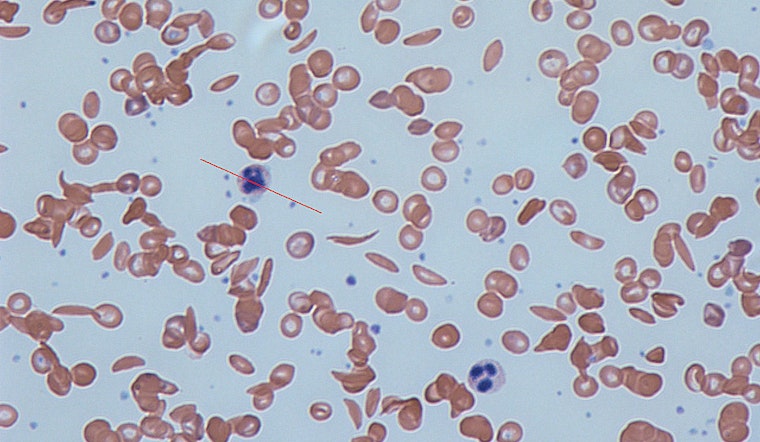
In a move that could redefine how high-cost drugs and treatments reach the hands of those who need them most, Illinois' Advisory Council on Financing and Access to Sickle Cell Disease Treatment and Other High-Cross Drugs and Treatment started reviewing Medicaid financing models. As per the Illinois government announcement, the group, convened earlier this year by Governor JB Pritzker, targets the financial hurdles that hinder access to recent medical breakthroughs.
The council's work kicked off on June 25, with the aim of fleshing out recommendations by the year's end. They're looking into payment and financing structures that will lower barriers to innovative therapies. "The pipeline for new and potentially transformative cell and gene therapies is expanding quickly, and Medicaid will be a major payor," HFS Director Elizabeth Whitehorn said. She expressed excitement about the council's much-needed efforts to create access solutions, especially when the exorbitant costs of such treatments leave most behind.
Currently, there's a troubling access gap for novel therapies for conditions like Sickle Cell Disease – a group of inherited blood disorders affecting over 5,000 Illinois residents, primarily individuals of color. With the cost of lifetime management ranging between $4 million to $6 million for the most severe cases, it's clear why these financing strategies are essential.
The council also aims to align with federal initiatives, as the U.S. Department of Health and Human Services is set to roll out a Cell and Gene Therapy Access model in 2025. This program will handle outcomes-based agreements with drug manufacturers to secure savings based on patient outcomes. Moreover, two gene therapies recently approved by the FDA carry jaw-dropping price tags from $2 million to $3 million, and with over 40% of Illinoisans with Sickle Cell Disease relying on Medicaid, the stakes are high – and so are the prices, for these life-altering treatments.
The members of the Advisory Council bring a medley of expertise to the table. From public health researcher Ifeanyi "Beverly" Chukwudozie, who champions rights for those with SCD, to Dr. James LaBelle who works at the bleeding edge of pediatric stem cell therapies, the council's diverse makeup could signal a well-rounded approach to the issue.
As the Advisory Council prepares for its next meeting this month, eyes are on this team to forge a path to equitable access. Their recommendations could potentially spill over into national policies, changing the game for thousands requiring treatments currently bounded by hefty price tags and limited availability. The hope is to turn the tide on decades of healthcare disparities and ensure those with Sickle Cell and other high-cost healthcare needs aren't left in the lurch.





