

























































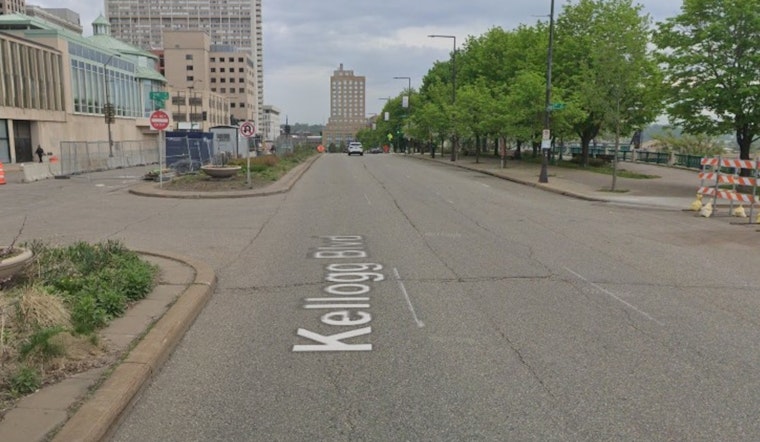
St. Paul officials and partners have kicked off the $91 million Kellogg Boulevard/3rd Street Bridge replacement endeavor, an extensive three-year project to overhaul the major connector that has been identified as structurally deficient and is now shut down for construction according to the City of Saint Paul official website. Mayor Melvin Carter alongside a coalition of government representatives and community stakeholders made the announcement, highlighting the anticipated improvements for the area's diverse transportation needs.
The project, which began with analysis back in 2014, concluded that the bridge was in dire need of an upgrade, the collapse of critical infrastructure wasn't an option but the path to rejuvenation has been a winding one, it took a decade of community engagement and rallying multiple tiers of government to pool the substantial funds required. As Mayor Carter shared, the effort is poised to "benefit both our East Side and downtown district," a sentiment echoed by Minnesota State Senator Sandy Pappas who praised the level of collaboration involved in bringing the project to fruition.
While the bridge undergoes its transformation, commuters will face detours with transit and pedestrian routes diverted to East 7th Street. "Despite a three-year closure, we are confident that when the replacement project is completed, the new corridor will improve multi-modal transportation and accessibility," Sean Kershaw, Public Works Director, affirmed the temporary inconvenience is a trade-off for future benefits.
Lunda Construction, with a Minnesota legacy punctuated by significant infrastructure projects like the Lafayette Bridge and Saint Croix Crossing, will spearhead the construction phase, while locals can keep abreast of progress and detour updates through the project's dedicated website, an informative hub on what's sure to be a transformative period for St. Paul's urban landscape.
The Kellogg/3rd Street Bridge, known for being the longest city-owned bridge in Saint Paul, will feature four traffic lanes and dedicated barrier-separated trails to cater to pedestrians and bicyclists once completed, this massive effort marks the city’s most complex infrastructure venture since 1995, signaling not just the building of a bridge but the bridging of communities in a physical and metaphorical rebirth of city connectivity.




