

























































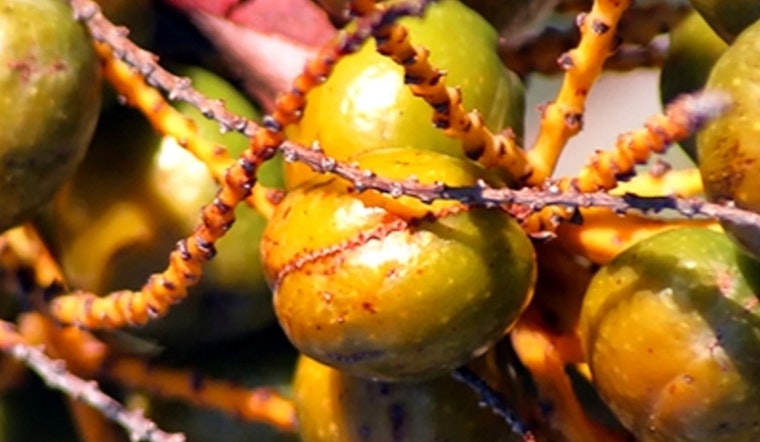
In a significant crackdown on illegal harvesting, seven individuals have been detained in western Palm Beach County for the illegal collection of over 10,000 pounds of saw palmetto berries. As reported by WPTV, the arrests were the result of a two-week effort by the Florida Fish and Wildlife Conservation Commission (FWC) between August 14 and August 29 in the J.W. Corbett Wildlife Management Area, a regulated refuge. Recovered during the arrests were seven felonies, nine misdemeanors, and eight noncriminal citations.
The saw palmetto berries serve as an essential habitat and nutrient source for over 200 wildlife species. In their illicit pursuit, the seven suspects trespassed into the protected area, flouting laws dedicated to conserving Florida's native ecosystems. Information obtained by WPBF 25 News also highlights the growing issue of saw palmetto berry theft each year, coinciding with the ripening season from August to October.
A permit is mandated by the Florida Department of Agriculture and Consumer Services for those who harvest and circulate saw palmetto berries commercially. These regulations have been instituted not merely as a bureaucratic hoop but as pivotal protections for the plants and the wildlife dependent on them, framed a larger conversation about conservation and exploitation of natural resources. The Endangered Plant Advisory Council has cast their unanimous vote for the inclusion of saw palmetto on the commercially exploited plant list, reflecting a heightened awareness of the threat posed by illegal harvesting activities.
While saw palmetto berries are marketed as a dietary supplement, believed to manage a swath of medical conditions, the imperative to protect these plants from commercial exploitation is clear. Ignoring the complex web of life that these berries sustain, these seven arrests underscore a disregard for the intricate balance of Florida ecosystems. The FWC has declared they take such violations with absolute seriousness. For more details regarding the laws concerning saw palmetto berries, visit the Florida Department of Agriculture and Consumer Services.





