

























































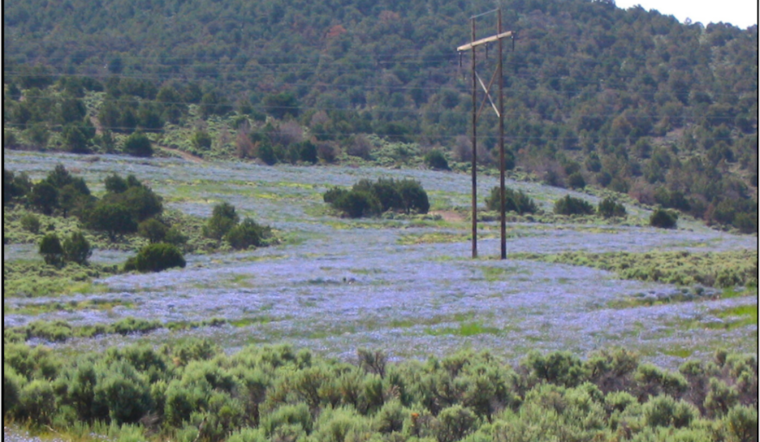
In an ambitious legal thrust, the state of Utah has embarked on a historic journey through the courts, directly challenging the longstanding grip of the Federal Government on a vast sea of land. This lawsuit, filed directly to the U.S. Supreme Court, questions the constitutional muster of the federal government's indefinite hold on some 18.5 million acres of 'unappropriated' land, currently under the management of the Bureau of Land Management (BLM). These territories, lacking a congressionally defined purpose, stretch expansively across the Utah landscape under the provisions of the Federal Land Policy and Management Act (FLPMA).
The state's legal team, after meticulously dissecting the issue for decades, is positioning the lawsuit as a defining moment in state-versus-federal land control narratives. According to the Utah Office of the Attorney General, this suit could potentially reshape the framework through which land management and rights are viewed in the United States. With Federal land holdings comprising nearly two-thirds of Utah's acreage, the stakes are monumental, where the very definition of statehood seems to rest on the outcome of this legal travail.
Utah's legal arguments hinge on the interpretation of the Property Clause and the Enclave Clause of the U.S. Constitution, along with the historical context that accompanied Utah's transition from territory to statehood. Backed by a belief that the federal retention of these lands stifles economic development and encroaches on sovereignty, Utah is steadfastly seeking control or, at the very least, greater autonomy over the use of these lands. The federal government, on the other hand, maintains that federal land management is essential for safeguarding environmental interests, preserving natural resources, and upholding recreational domains for the public good.





