

























































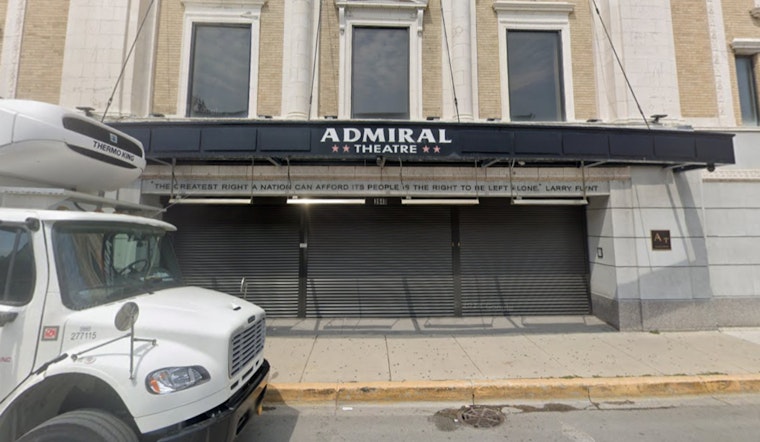
The Admiral Theatre, a well-known Albany Park exotic dance club, is currently swimming in hot legal waters as the U.S. Equal Employment Opportunity Commission has filed a lawsuit for allegations of both sexual and racial discrimination at the establishment, CBS News Chicago and Chicago Tribune report. The venue, which has historically transitioned from a Vaudeville house to a hotbed of adult entertainment, is under scrutiny for hostile work environments where dancers, specifically women, were reportedly subject to physical harassment and violence, and Black dancers faced additional discriminatory restrictions and comments.
According to the EEOC's lawsuit, female dancers at the Admiral Theatre were allegedly subjected to "frequent unwelcome touching" which included "harassing and aggressive sexual behavior," despite the club's stated policy against customer contact, yet management fell short in taking concrete actions to protect them even after dancers reported such incidents—these dancers who pushed back against the harassment were then barred from returning to work, creating a cycle of silence and neglected protection for entertainers. Furthermore, it is brought to light that Black dancers were dealt a heavier hand, facing limiting shifts and specific appearance demands not imposed on white dancers, such as a mandate to straighten their hair or wear wigs, along with enduring racial slurs which included the N-word, all of which sprinkle the club's operations with a bitter tinge of deep-seated prejudice and inequality that clings to the fringes of the club's gilded stage.
The legal action has surfaced following unsuccessful attempts at a pre-litigation settlement with the Admiral, with the EEOC seeking compensation in the form of back pay and damages for the affected group of dancers; the commission unequivocally argues that such occupational hazards shouldn't be the price to pay for anyone choosing the path of adult entertainment, and notably, a past ruling in February enforced an EEOC subpoena which contested the club's classification of dancers as independent contractors rather than employees. "Choosing to work in adult entertainment does not mean consenting to harassment and assault," EEOC regional attorney Greg Gochanour asserted.
Amid the turmoil, one dancer, DeCarri Robinson distillates the essence of resistance, having pushed back against the tide by creating a Change.org petition to raise awareness on sexual assault and reaching out to the theater’s manager Nick Cecola with hopes for change, and yet, her pleads fell on the unyielding ground as she was excluded from the roster post a COVID-19 club closure, effectively dismissed for daring to hold the establishment accountable, this marks a stark reflection of the broader struggle within such spheres for dignity and respect, a tumult reflective of the many furtive battles fought behind the neon-light facade of the club's exterior.
Attempts made by news outlets to solicit comments from the Admiral Theatre’s management regarding the accusations have been thus far unanswered.




