

























































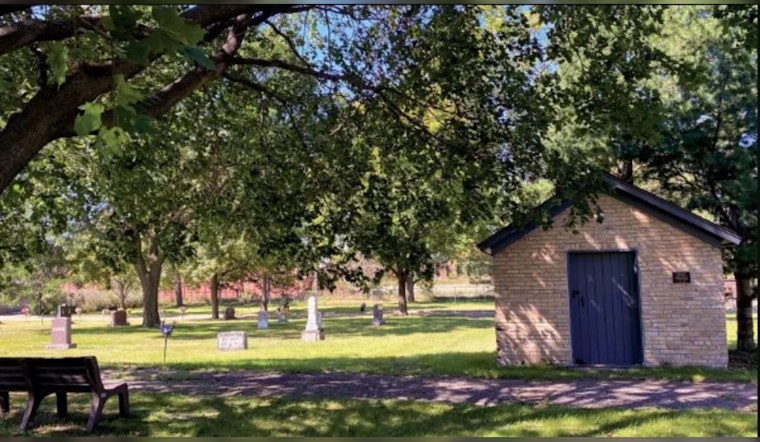
In the heart of Bloomington lies a history entwined with its dead, a tale rooted not in the ethereal, but in the palpable, pragmatic efforts of a couple who tended the City Cemetery with diligence and resourcefulness. The saga of Walter and Marie Pederson unravels at 103rd Street and Lyndale Avenue South, where practicality meets finality. According to a recent feature by Bloomington Yesterday, the Pedersons served as the cemetery's initial caretakers starting in 1911, their legacy enduring in the chill of Minnesota winters and the warmth of historical recognition.
Walter Pederson’s craft was not for the faint of heart, as it required him to chisel away the frostbitten earth by hand to create a resting place for the departed. The process was arduous and to complete this task, burning coals were left to slowly thaw the ground overnight. It’s a stark reminder of the era’s harsh demands before modern machinery simplified such grave tasks. Within this cemetery also stands "the vault," a brick edifice constructed by residents, which once harbored the dead during periods when the ground proved too unyielding, as detailed on the City of Bloomington website.
The responsibilities didn't cease at groundskeeping; the oversight of the cemetery's records spilled into the Pedersons' dwelling. Marie Pederson kept a vigilant eye on the graveyard from her dining room window, a vista that functioned beyond the ornamental. She diligently recorded the names of the souls laid to rest, using her window shade as an impromptu ledger. This method of documentation reigned until the 1970s when the city clerk’s office undertook the archival duties, which is elucidated in the historical account shared by Bloomington Yesterday.
Nowadays, the vault's eeriness is tempered by a change in utility; its purpose is fundamentally altered. No longer a repository for the deceased in the winter’s embrace, it has been repurposed to serve as a tool storage shed—a silent testament to the cycles of use and significance that permeate the objects within our midst. The Pedersons’ narrative, encapsulated in articles like the one featured by Bloomington Yesterday, enduringly interweaves with the city’s history, a reflection of the immutable human spirit striving to always, even in death's shadow, press forward.





