

























































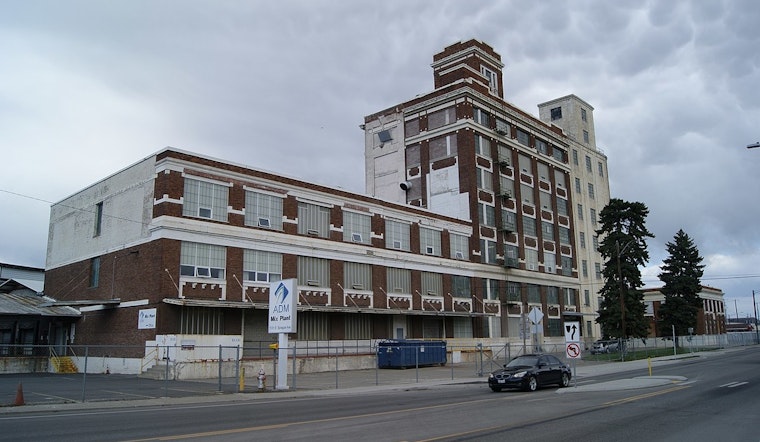
Concerns are mounting over the safety of carbon capture and sequestration (CCS) projects following a leak at Archer-Daniels-Midland Co.'s (ADM) facility in Decatur, Illinois. As reported by the Chicago Sun-Times, the Environmental Protection Agency (EPA) has alleged that the agribusiness giant violated federal regulations and the Safe Drinking Water Act when carbon dioxide leaked from a monitoring well into unauthorized zones earlier this year.
The leak, which was first detected in March, raised allegations from the EPA that the company failed to follow proper emergency response and remediation plans, further inciting potential enforcement action and even the termination of ADM's permit for the CCS project. According to an ADM spokesperson, Jackie Anderson, "That monitoring well was plugged, is not in use, and none of the other wells were impacted," also noting that, "At no time was there any impact to the surface or groundwater sources, or any threat to public health." The company was aware of corrosion issues since October of last year, and approximately 8,000 metric tons of carbon dioxide were leaked, confined some 5,000 feet underground, well below potable groundwater sources.
The Illinois Clean Jobs Coalition, however, criticized ADM for not notifying the public and characterized the lack of disclosure as "unacceptable and dangerous." In a statement acquired by E&E News, they expressed their anxiety regarding the undisclosed nature of the leak and its potential impacts, stating, "There are significant risks at every step of the CCS process, and it’s not a matter of if carbon sequestration facilities leak, but rather when."
Amid these concerns, Illinois state Rep. Carol Ammons introduced a bill preventing the development of carbon sequestration projects where the sole source of drinking water is an underground aquifer. This move aligns with heightened awareness and legislative intent to bolster the safeguards around such technologies, with the potential leak at ADM's facility serving as a stark example of the risks involved. "The Mahomet Aquifer, which sustains nearly a million people in Central Illinois, cannot afford to be put at risk by experimental technologies like carbon capture and storage," Pam Richart, co-director of Eco-Justice Collaborative told the Chicago Sun-Times.
Against the backdrop of these events, legislation had already been enacted earlier in the year to provide a state-level regulatory framework for CCS projects. With Illinois now being the focus of 22 pending applications for new CO2 injection wells, the discourse on the balance between environmental safeguards and the pursuit of climate solutions continues to unfold with renewed urgency.




