

























































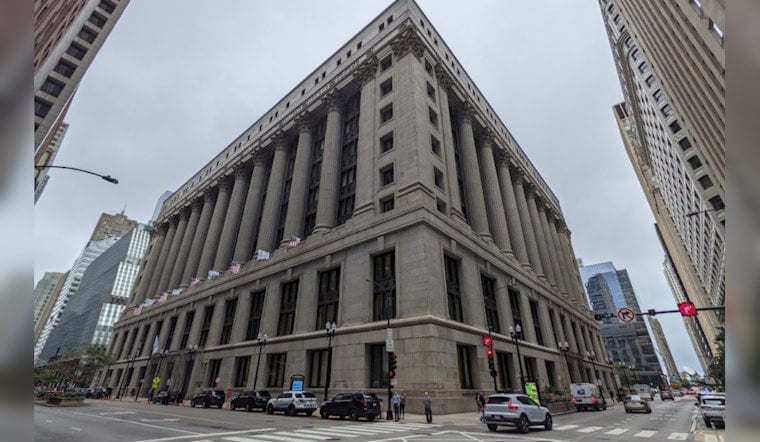
In light of the recent hearings by the Chicago City Council's committee on public safety, the urgent need for an effective response to extreme weather events and their impact on the city’s unhoused population has been brought into sharp focus. The discussions have led to a resolution approved by the committee that calls for a subject-matter hearing to examine the city’s response to weather extremes, following criticism of the city's actions, including the closures of cooling centers and libraries during a heat wave on Juneteenth. "It’s not lost on a number of us that we’re heading into a budget season with a — it’s an understatement to call it a substantial gap," Ald. Andre Vasquez pointedly remarked during Tuesday's hearing, as reported by the Chicago Sun-Times.
Amidst this climate crisis, figures such as Maxica Williams shared personal accounts that illuminate the dire circumstances faced by individuals without a home. Williams recounted, "Because of that kindness, we had a place to stay in while it was raining and wet, and also during the wintertime," acknowledging the brief sanctuary offered by a local Subway restaurant when she and her children experienced homelessness. Lee Friedman, a professor at the University of Illinois Chicago, delivered a sobering analysis to the committee, revealing that weather conditions were tied to the deaths of 100 people experiencing homelessness over a six-year span, the majority of which occurred in Chicago. Nevertheless, he highlighted that the count of heat-related deaths might be underreported, murky in the coding within death certificates.
The complexities of this crisis extend beyond mere shelter, delving into issues of accessibility and dignity. Isabella Mancini, from Healthcare Alternative Systems, emphasized that a survey revealed individuals would be more willing to seek shelter during extreme weather if they faced fewer restrictions, and such places were cleaner and had better on-site services. "They’re just looking for resources that maintain dignity and autonomy," Mancini told the Chicago Sun-Times.
Concurrently, as advocates and service agencies are pressing the city for significant improvements to its extreme weather plans, Tamala Wilson’s personal preparations for inclement weather on Marine Drive highlight a resilience that shouldn't be necessary. "If there’s a tornado, you don’t stay in your tent. You run towards that bridge, you run for shelter inside something that's concrete," Wilson told the Chicago Tribune. The advocates’ voices are a stark reminder of a disjointed system where information is inconsistent and lifesaving resources are elusive. Reported by the Chicago Tribune, Monica Dillon, a retired nurse, shared her disbelief upon finding that many of the touted cooling centers had no air conditioning or wheelchair access, and some weren't open when they were most needed.
With winter approaching, the limitations of the city's emergency weather response are becoming increasingly apparent. The Garfield Community Service Center stands as the sole 24/7 cooling and warming center in theory, but it still closes its heating and cooling services shortly after dusk. Throughout nighttime hours, those in need are frequently left with no other option but to seek the limited shelter of police stations, a resource not commonly communicated to them. "There really isn’t a place to go in the middle of the night, in the dead of winter, that will let you stay," highlighted attorney Marc Raifman, as the Chicago Tribune reported. Without adequate resources in place and with extreme weather events on the rise, the situation remains pressing for Chicago's unhoused population.




