

























































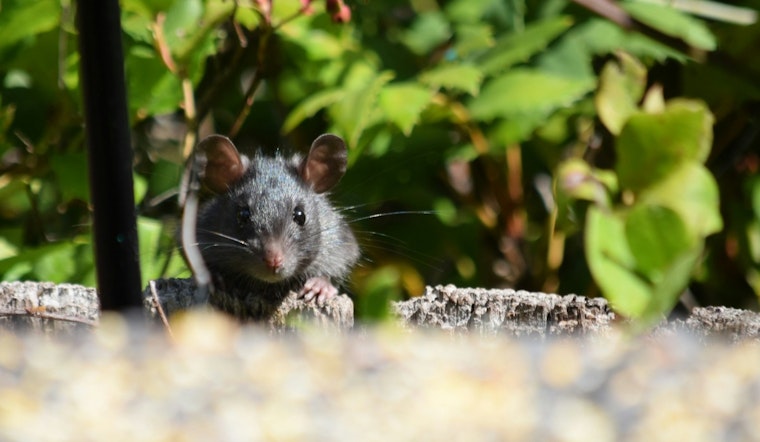
For the tenth year running, Chicago holds the dubious distinction of being named "America's Rattiest City," as per NBC Chicago. The title, bestowed by pest control company Orkin, is a result of a newly released research that factors in the number of new residential rodent treatments from September 2023 to August 2024. As described by Orkin, the city's infrastructure, surplus of alleys, and abundant refuse, create an ideal habitat for the proliferation of rats.
John Kane, Orkin's National Accounts Entomologist & Quality Manager, emphasized the urgency of rodent management to prevent a spectrum of issues. "Rodents can cause a lot of structural problems for property owners," he noted, chronicling the potential dangers including compromised walls and the increased risk of fires stemming from gnawed electrical wirings. However, the prestige of being the "rattiest city" is met with skepticism from some like Simon, who argues that such rankings are more reflective of Orkin's client base rather than any quantifiable rat population, as they detail in a statement to USA Today.
Chicago's stubborn grip on the top spot trumps even the sprawling extent of Los Angeles and the densely populated boroughs of New York, both cities having consistently ranked second and third respectively since 2017, according to Orkin. The implications of this ranking become all the more relevant as cooler weather looms, potentially driving more rodents to seek shelter indoors. The scale of the problem, as Kane highlights, is made evident in the rats' voracious drive to find new resources and their innate ability to constantly chew their way through obstacles.
The city's own Department of Streets and Sanitation has responded to Orkin's findings with resolve and service to the community, reasserting their dedication "to keeping Chicago clean and healthy," and affirming their proactive stance on rodent control as a "free service to residents through the Bureau of Rodent Control". This affirmation, tying the department's responsibility to the well-being of its residents and the hygiene of their city places a spotlight on the perpetual battle between human order and the will of nature embodied in these urban ecosystems, a contest that city officials and pest control methodologies must continually adapt to, and strategize against.




