

























































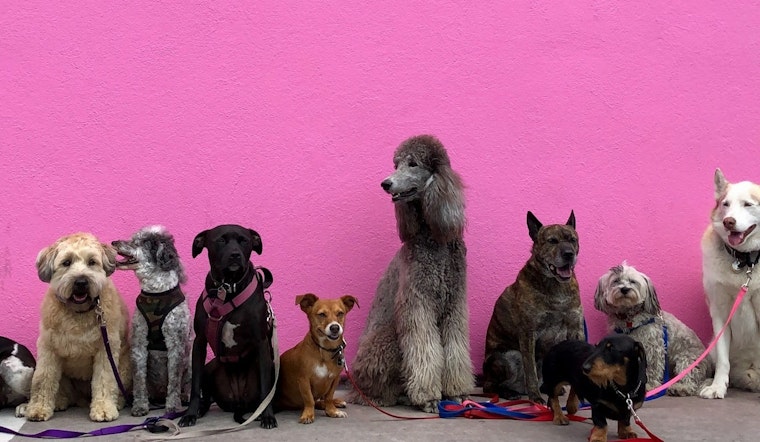
In the wake of the catastrophic Hurricane Helene, the Anti-Cruelty Society of Chicago has taken a warm and welcoming stance towards animals in distress. According to a report by CBS News, the shelter has recently taken in 25 dogs that were displaced due to the destructive weather event. These dogs were flown in from Pasco County, Florida, as part of the efforts to mitigate the strain on local shelters reeling from the aftermath of Helene.
Adding to the already existing toll of human life, the hurricane's death count has climbed to 162, making it the second-deadliest to strike the U.S. mainland in the past 50 years. In response, Chicago locals have shown immense support for those affected by the disaster. Among them, two dozen suburban firefighters joined the search and rescue operations grounded in North Carolina, working as part of the Mutual Aid Box Alarm System deployed by Governor JB Pritzker. These responders from 17 different fire departments in Cook and DuPage counties are focusing on the mountainous western regions of North Carolina, disproportionately battered by the storm.
The Anti-Cruelty Society brings not only shelter but also hopes for a new beginning for the displaced canines. As ABC7 Chicago reports, Anti-Cruelty's president, Darlene Duggan, expressed that their actions not only serve the animals but are deeply intertwined with the ethos of community service. "This is one of the reasons I love doing this job," Duggan said. "It is about the animals but it's just as much about the community as well."
Moving past their tiring cross-country journey, the dogs will soon be up for adoption. Before doing so, they will be assessed by the Anti-Cruelty’s veterinary team and receive the necessary care. Duggan encourages locals willing to help in the wake of the storm to consider adopting one of these resilient pets. Updates on dogs ready for adoption will be posted on the Anti-Cruelty's website, creating a beacon of hope for those dogs, about what their future holds amidst the chaos sown by Helene.
As Chicagoans open their arms to canine refugees, members of the Illinois Swiftwater Response Team have provided harrowing accounts of the devastation they've witnessed. Chuck Gros, a participant in the team's efforts, conveyed to ABC7 Chicago the extent of the damage: "Being on a handful of deployments in the past, this has by far been the worst," Gros said. He went on to describe the profound impact on the community, with many left isolated, lacking essentials like water, power, and access to limited food supplies or medication.




