

























































An Eden Prairie man has been sentenced to more than seven years in prison for scheming the federal COVID-19 relief programs. The man identified as Harold Bennie Kaeding, 75, received an 87-month sentence following his conviction on charges that included wire fraud, aggravated identity theft, and money laundering. The U.S. Attorney's Office announced last Friday that in addition to prison time, Kaeding is facing three years of supervised release and was ordered to pay restitution.
During the period between March and May 2020, Kaeding illicitly applied for more than $2.1 million using the Paycheck Protection Program and the Economic Injury Disaster Loan Program. According to evidence presented at trial, he used the identities of close family members to file for loans in the name of six corporate entities, which were inactive or nonexistent at the pandemic's onset. "Kaeding instead fabricated tax documents, manufactured bank statements, and submitted other records to ensure the applications appeared legitimate," detailed the U.S. Attorney's Office. Banks eventually caught on to some misconduct and recovered part of the funds, leaving Kaeding in possession of $658,490 from his original haul.
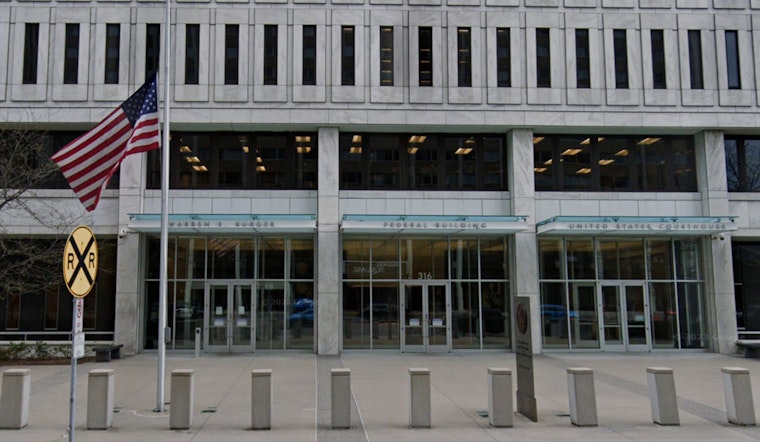
Reportedly, Kaeding leveraged the siphoned funds in various personal endeavors, including saving his home from foreclosure, purchasing an SUV, and amassing over $80,000 in cash. In the face of impending investigation early last year, Kaeding had fled to Colombia, only to be later deported back to the U.S. for prosecution. On November 15, 2024, a federal jury convicted him after a ten-day trial, leading to last week's sentencing by Judge Eric C. Tostrud in U.S. District Court.
The FBI and IRS's collaborative investigation efforts led to Kaeding's apprehension and prosecution. Assistant U.S. Attorneys Jordan L. Sing and Robert M. Lewis were in charge of the prosecution. The press release emphasizes that the judicial system remains vigilant against those who seek to exploit governmental relief initiatives intended for those deeply impacted by the pandemic's economic strain.




