

























































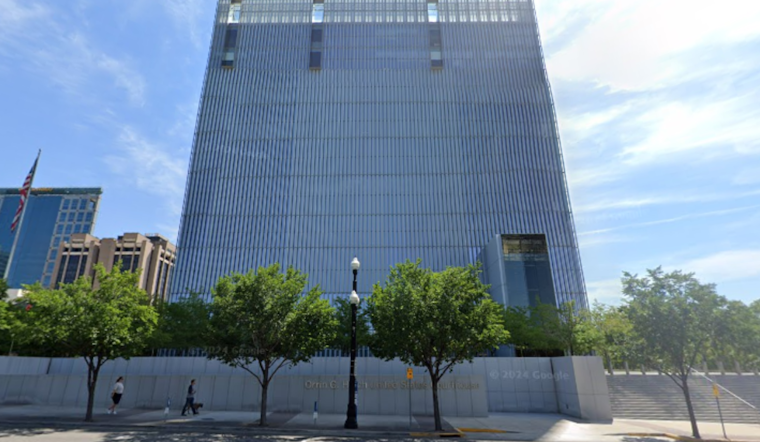
Attorneys for The Church of Jesus Christ of Latter-day Saints were in federal court last Friday, defending their position against a lawsuit over the church's use of tithing donations. This case, brought on by a group of current and former church members, questions the transparency and integrity of the church's financial practices, particularly the handling of an estimated 10% income donation known as tithing. As reported by ABC4, the defense is seeking to have the lawsuit dismissed, but the ultimate judgment remains unresolved.
This suit is grounded in allegations of fraud, arguing that billions of dollars have been amassed over two decades under deceptive pretenses. However, The Church of Jesus Christ of Latter-day Saints contends that such matters should not be subject to scrutiny by secular courts. Addressing the legitimacy of these claims, Judge Shelby pressed both parties with questions on Friday, which as noted by the Salt Lake Tribune, brought attention to critical weaknesses in their arguments.
Significant in this legal battle is the accusation that tithing funds were used inappropriately, for instance, in developments like the City Creek project in downtown Salt Lake City. This particular point of contention was highlighted in previous court proceedings which resulted in the dismissal of the suit in 2021. But, as Deseret News reports, this decision was overturned in 2023 by a three-judge appeals panel. The reinstatement has led the church to appeal once again, citing the church autonomy doctrine as part of their defense.
A tangential, yet related case where three former members accused the church of espousing false beliefs to defraud members is also entangled with the church autonomy doctrine. Most of the case was dismissed by Shelby, however, the plaintiffs have taken the case to the 10th Circuit Court. During oral arguments heard in September by a three-judge panel, barriers to the suit emerged based on existing precedent, but a final decision remains to be issued. The intertwining of these cases represents not just a legal labyrinth, but a reckoning on the intersection of faith, finance, and the rights of the religious institutions versus those of the believers.





