

























































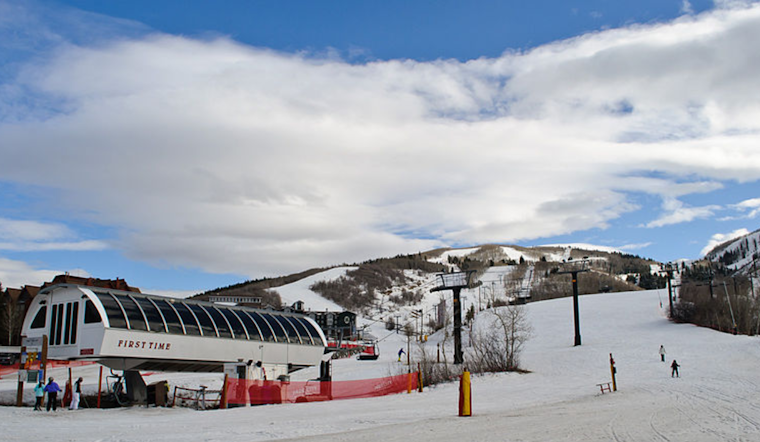
The slopes in Park City, Utah, have been facing unusual silence amidst what is typically a zenith of wintery exhilaration. As of Friday, the Park City Professional Ski Patrol Association has been engaging in a labor protest against Vail Resorts, leaving ski operations hobbled and negotiations at a delicate impasse. FOX 13 reports that the union is steadfast in their strike, pressing for what they believe to be a fair resolution in their ongoing dispute.
The strike has played havoc on the town's renowned ski traffic peak season, ushering in delays and protracted lines for holiday skiers. Normally manned by over a hundred ski patrollers, the current workforce has dwindled to between 30 and 35 nonunion patrollers, shipped in from various locales. According to KSL, this shortfall has compelled some lifts, which the striking patrollers normally would operate, to cease function.
Nevertheless, the ski patrol's plight extends beyond the immediate strife of the season. The striking workers, supported by the Communications Workers of America, can expect $300 weekly if the strike endures beyond 15 days, a sum that falls short of a sustainable wage. "Which is obviously not enough to survive on, by any means," said a union representative, "but it’s better than nothing," as reported by The Salt Lake Tribune.
In a demonstration of solidarity, albeit facing economic uncertainty, a minority have crossed the picket lines. Yet, the broader Park City and ski patrol fraternity has shown considerable camaraderie to their cause.”We really want to emphasize that these struggles go far beyond our 200 members," a union spokeswoman said, as per The Salt Lake Tribune, "We would love to see everyone who’s a mountain worker or in the outdoor industry getting paid adequately, because we tend to live in places that are much more expensive than the national average."





.jpg)