

























































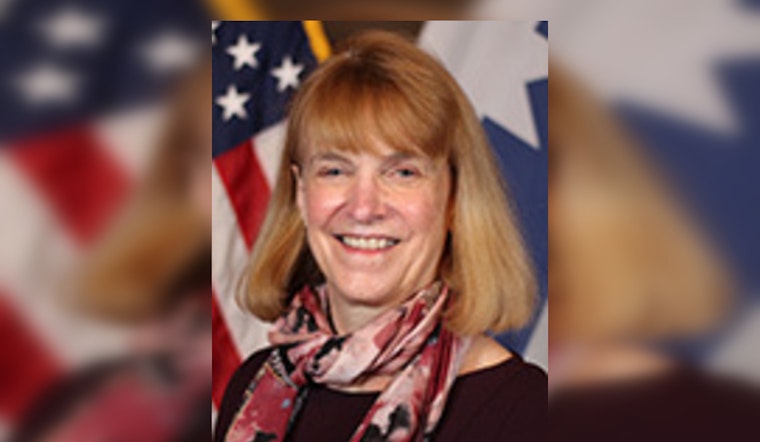
Minnesota's state government is undergoing significant changes, particularly within the Department of Human Services (DHS). On the heels of an eventful January, news surfaced that DHS Commissioner Jodi Harpstead is stepping down from her role. Appointed in August 2019, her tenure will conclude on February 3, as stated in a DHS bulletin. Governor Tim Walz, acknowledging her departure, praised her contributions, particularly highlighting her support in the separation of DHS into three agencies.
The department's newsletter featured the Governor's comments: "I am especially proud of how Commissioner Harpstead supported the enterprise-wide work to separate DHS into three separate agencies, which will make each of them more effective, more accountable, and easier to manage.” Commissioner Harpstead also leaves behind a legacy of improving Medicaid health equity amongst Black and American Indian communities in Minnesota. Her tenure has been marked by progress, yet, her exit raises questions about the future of healthcare administration and social services in the state.
Furthermore, Governor Walz has made headlines with the introduction of an ambitious budget proposal. On January 16, alongside Lt. Governor Peggy Flanagan, he unveiled a budget aimed at fiscal responsibility, which includes a sales tax cut–– the first in the state’s history. The proposed budget would also implement measures to combat fraud and control spending growth in Medicaid waivers. According to the Minnesota Management and Budget website, savings are projected to exceed 1.3 billion dollars without impacting service eligibility.
Efforts to improve health equity are not only seen in budget proposals but also in thoughtfully crafted reports. The DHS recently co-authored a report with community leaders to address health inequities among American Indian communities. Titled "Pathways to Racial Equity in Medicaid: Improving the Health and Opportunity of American Indians in Minnesota," it underscores the urgent need for systemic health care delivery changes that honor Indigenous knowledge and practices. Dr. Nathan Chomilo, Medicaid Medical Director, told the DHS that, “Improving how we administer Medicaid is crucial as we collectively work toward achieving health equity with American Indian communities in Minnesota.” The department's dedication to these issues shows an understanding that health and opportunity are deeply interconnected.
Lastly, the DHS communication channels are actively seeking engagement with the public on these pressing matters. They've called for new members to join the Behavioral Health Planning Council and continue to share information through various social platforms about hiring events, job postings, and more. For those requiring alternate formats of DHS publications, they provide resources through their communication channels, further emphasizing their commitment to accessibility and public service.



