

























































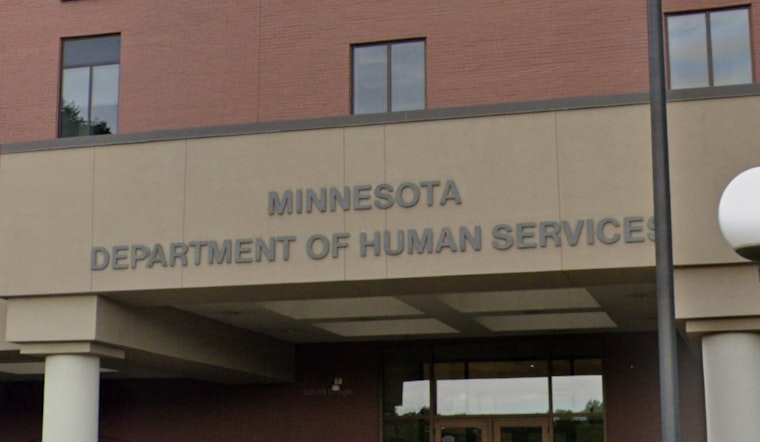
Minnesota's residents reliant on personal care assistance and related services are in the crosshair of some significant updates, as announced by the Aging and Adult Services Division (AASD) and Disability Services Division (DSD). The latest bulletin released on February 4th, details the ongoing transition from personal care assistance (PCA) and Consumer Support Grant (CSG) to the new Community First Services and Supports (CFSS) program, which started October 1 last year.
The Minnesota Department of Human Services (DHS) stated, "We will provide regular updates early in the transition." The DHS has laid a roadmap for beneficiaries and providers alike, aiming to prevent any disruption to those who depend on these essential services. Moreover, an extension for the Alternative Care (AC) program has recently been approved by the Centers for Medicare & Medicaid Services (CMS), guaranteeing the initiative's continuation from February 1, through January 31, 2030.
Beyond the extension, transitional services will soon be available under AC to support the evolving needs of the aging population. According to the notification, beginning March 1, "DHS will allow lead agencies to add transitional services to AC support plans and service agreements." This builds on the commitment to both improve the existing benefit framework, and, ensure that it’s meeting the diverse needs of citizens navigating this critical life stage.
As these changes unfold, stakeholder engagement remains high on the priority list for DHS. The agency encourages interested parties to keep abreast with the evolving landscape of services by visiting the Community-Based Services Manual often for the latest policy updates and amendments. The manual, an ever-growing repository for the rules, guidelines, and protocols governing the provision of such services, can be accessed easily on the DHS website, offering a transparent and accessible tool for everyone involved.




