

























































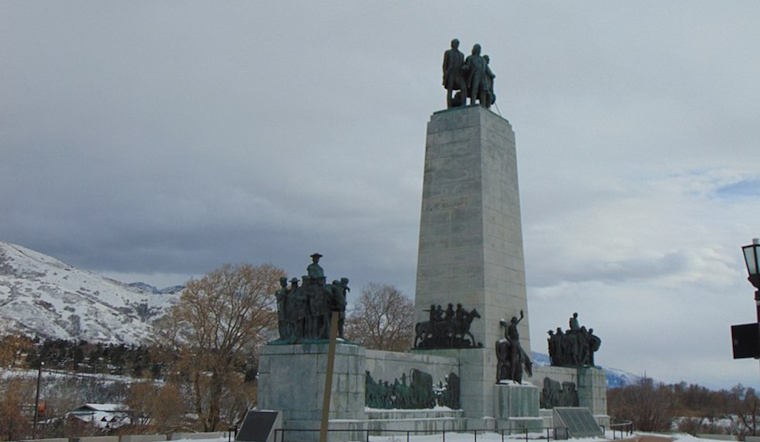
The Salt Lake City area is expecting a wet start to February, with the National Weather Service reporting a certainty of rain and overcast skies dominating the forecast. As of the last update from the NWS, temperatures hovered around 47°F, coupled with a gentle southeastern wind moving at 14 MPH, ensuring a brisk chill for those venturing outdoors.
Today's outlook, updated early in the morning, suggested rain will persist with a high of 44 degrees and winds shifting from the southeast. Looking ahead, residents should prepare for more of the same. The forecast indicates a continuity of rain through tonight, with a low of around 38 degrees and gentle breezes, as detailed by the National Weather Service.
The deluge is set to linger over Salt Lake City into Sunday with a 70% chance of precipitation, mainly before 11 am, followed by cloudy skies and a milder high near 54 degrees. A 30% chance of rain remains Sunday night, dropping temperatures to a low of around 46 degrees, providing the city with a slight reprieve before the next workweek begins.
Commencing the week with persistent cloud cover, Monday's forecast anticipates a high near 58 degrees. The pattern of rainfall is set to resume Tuesday, with a 40 percent likelihood of rain after 11 am, clouded over the skyline. As temperatures overnight on Tuesday hover around the 40-degree mark, the intriguing possibility of rain and snow mingling arrives as we inch toward the midweek. Residents should brace for Wednesday when the weather could take a turn, with a mix of rain and snow likely under mostly cloudy skies.
This variance in precipitation extends through the subsequent days, with the city facing chances of rain and snow showers into the latter part of the week. Thursday's temperatures are expected to peak near 45 degrees under partly sunny conditions, while Friday continues the trend of a nearly 50-degree high amid potential rain and snow. The blend of winter elements paints a picture of a variable and possibly slick week ahead for Salt Lake City, based on the most recent information from the NWS.





