

























































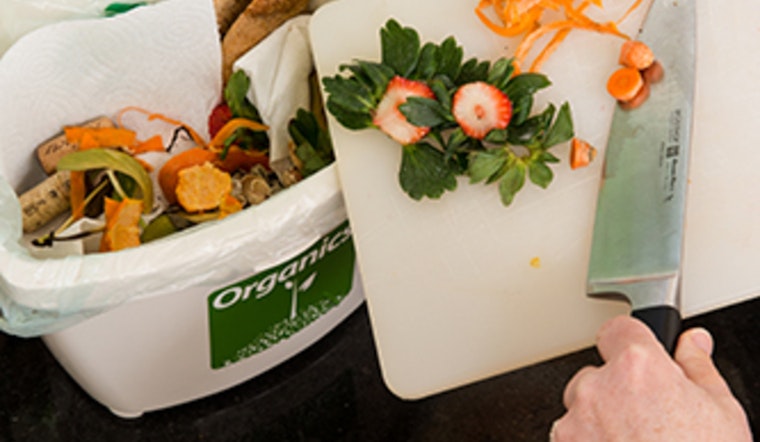
Starting March 31, Brooklyn Park residents will witness a significant upgrade in the city's waste management system as curbside collection of organics makes it into the routine. The new service, which entails a separate cart for organic waste, aims at tackling the problem of food scraps and non-recyclable papers that often make up the bulk of our garbage, according to an official bulletin from the city of Brooklyn Park.
The current system, which requires residents to have their recycling carts out by 6:30 a.m., will soon incorporate the separation of organic materials. Items such as napkins and food scraps will no longer be relegated to the landfill, instead, they'll be collected, composted, and ultimately reintroduced into the cycle of use. "Have material loose in your cart, never in bags," the bulletin instructs, highlighting a key aspect of the revised process.
In an endeavor to streamline waste collection and increase efficiency, the city has mandated the proper placement of carts — they must stand at least three feet apart from obstacles like mailboxes or other carts. Residents are urged to position handles away from the street when placing their carts in the driveway or on the boulevard.
For those looking to hop on board with this eco-friendly initiative, sign-ups for organics recycling are now open through the city's website. However, those awaiting their new organics cart will need a bit of patience. The city has announced, "Cart delivery is on pause until we complete the initial roll out. Delivery will resume in mid-April." Therefore, until the backlog is cleared, new participants may experience a temporary wait before they can join their neighbors in this green endeavor.
It's a period of adaptation for Brooklyn Park's citizens, but one that promises environmental benefits and a step towards sustainability. A transition period is to be expected as garbage haulers will cease their current organics collection service to make way for the city's new program. As a community, Brooklyn Park moves towards a future where waste is not an endpoint, but a potential beginning for something new.



