

























































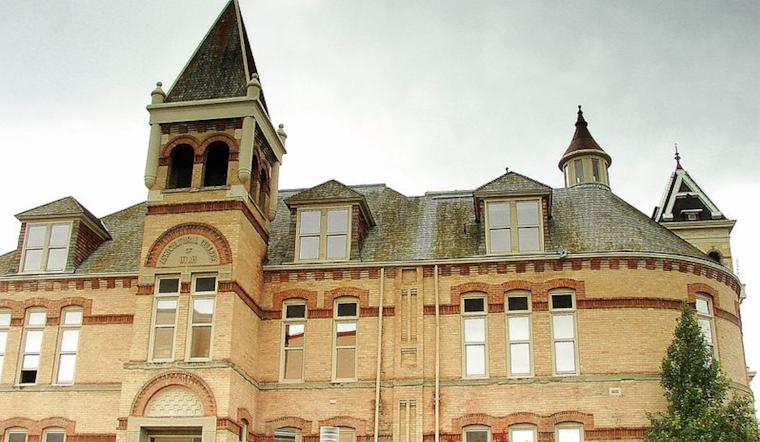
The Cooperative Institute for Research to Operations in Hydrology (CIROH) is taking concrete steps to bridge the gap between research and application in the field of water management. With a consortium that includes 28 academic, government, and private institutions, CIROH seeks to transition university-level research directly to operational use, improving national flood and water resource prediction and management systems. Among these institutions, Utah State University (USU) stands as a partner through its Utah Water Research Laboratory (UWRL).
According to USU Today, USU's CIROH representative, Professor Jeff Horsburgh, emphasized the unique role of the consortium, "CIROH is unique in that it has a specific focus on translating research to operations." The research initiatives led by USU aim to inform water planning and decision-making processes which, through the national collaboration, benefit from a shared base of expertise and experience.
The UWRL is instrumental in several key projects funded through CIROH, amounting to over $4 million directed towards enhancing water management methodologies. These include the HydroServer project, focused on improving the collection and management of data from environmental sensors, and the development of a new geospatial framework for more accurate channel and floodplain modeling by researchers Belize Lane and Colin Philips.
The efforts at USU also extend to practical tools and platforms. HydroShare, for example, is expanding the capacity for researchers to share hydrologic data and models on a national scale. As detailed by USU Today, David Tarboton and Jeff Horsburgh head up the project which seeks to augment existing cloud storage and computational linkages, fostering easier collaboration among researchers.
Among their efforts to tackle water-related challenges is the integration of computer vision algorithms and machine learning into low-cost camera-based monitoring systems, developed by Sierra Young and Jeff Horsburgh. This project aims to collect critical data in remote or difficult-to-access areas for streamflow measurement, potentially replacing more conventional technology. Additionally, USU is contributing to better detection and management of harmful algal blooms through Sierra Young’s project that uses satellite hyperspectral data in combination with machine learning.
Filling the educational gap in operational hydrology forecasting also finds place in CIROH's mission, with David Tarboton working to create learning modules for HydroLearn that simulate real-world water issues. The training modules are aimed at students and professionals alike, sharpening their skills for tackling operational hydrology challenges in government and industry roles.





