

























































Attorney General Kwame Raoul, together with his counterparts from three other states, filed a lawsuit on Wednesday against the Trump administration to ensure the delivery of much-needed federal grant money to Illinois for clean-energy initiatives. These funds, meant to boost green projects and curtail greenhouse gas emissions, are now under threat, with the attorneys general taking legal action to prevent their obstruction. As detailed in Raoul's complaint, the matter pertains to the Illinois Climate Bank, a state-established entity designed to invigorate the clean energy sector and navigate market barriers that stymie eco-friendly endeavors.
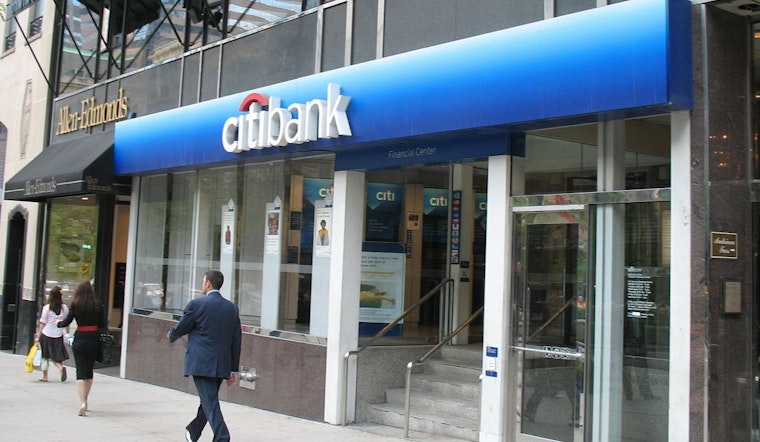
According to the Illinois Attorney General's office, the lawsuit also implicates Citibank, accusing the institution of buckling under a mandate from the FBI to freeze the Greenhouse Gas Reduction Fund (GGRF). Despite the clear requirement by law to unleash the congressionally sanctioned funds, Citibank allegedly caved to pressure from the federal bureau on February 17, leading to further litigation to release those grants. "Congress appropriated billions to assist in transitioning to a clean-energy future," Raoul said, "and I will continue to work with my colleagues to fight this illegal action that hurts our environmental and economic future."
The charges put forth contend that the Environmental Protection Agency (EPA) has been executing an illegal scheme to impede the disbursement of $20 billion assigned by Congress to the state green banks since February 2025. As reported by the lawsuit, this obstruction by the EPA flies in the face of the Inflation Reduction Act, passed duly by Congress, and violates the constitutional separation of powers. Raoul and his allies argue that such acts disdain protocols governing the management of congressional appropriations and finalized awards by federal agencies.
This federal crusade against the GGRF has escalated to attempts of seizure, flouting legal requirements for asset confiscation and prompting suits within the Department of Justice to step down, citing an ethical impasse. A federal judge alongside two U.S. attorneys' offices have been involved, rejecting the EPA's overture due to insufficient cause. It's an issue drawing attention to the checks and balances inherent within the U.S. legal system, explaining perhaps why the opposition is firm from state-level actors determined to shield environmental interests and push forward a clean-energy agenda.
Supporting Raoul in his legal pursuit are the attorneys general from California, Maine, and Minnesota, all states that also stand to benefit from these clean energy funds. Their combined effort underscores a nationwide commitment to safeguarding environmental grants against political interference, as stressed by the multi-state coalition. The outcome of this legal confrontation might well dictate the future accessibility and allocation of federal resources aimed at environmental preservation and economic growth through clean-energy investments.


