

























































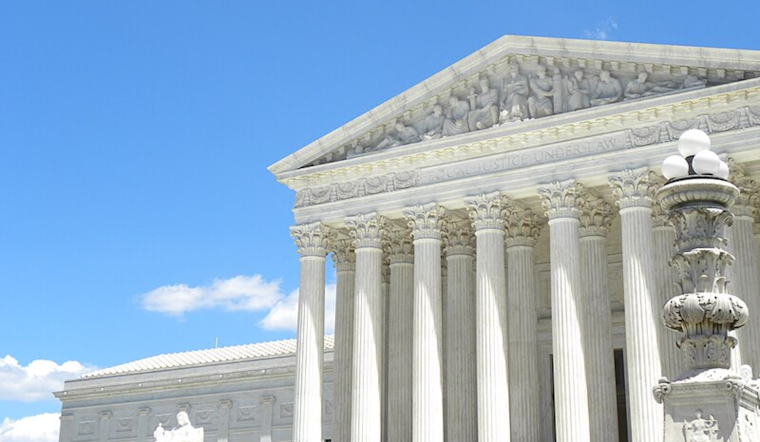
In a landmark decision that has far-reaching implications for environmental regulation in cities across the nation, the Supreme Court ruled on Tuesday that federal environmental regulators have stepped beyond their purview with attempts to enforce vague water quality standards upon San Francisco. The ruling was a result of a 5-4 vote, with Justice Samuel Alito citing in the majority opinion that the Environmental Protection Agency (EPA) lacks the authority to include 'end-result' provisions in their permits, specifically targeting the quality of water in the Pacific Ocean, where San Francisco discharges its wastewater after heavy rains.
In her partial dissent, published by CNN, Justice Amy Coney Barrett asserted that "EPA is required to issue the limitations necessary to ensure that the water quality standards are met," hence, the decision to constrain the EPA's mandate would make it more problematic for the agency to issue permits that both municipalities and businesses require for lawful discharges. Barrett's concerns were underscored by reports of discharges from San Francisco's sewage system allegedly contributing to 'discoloration, scum, and floating material, including toilet paper, in Mission Creek.'
This case arose amid tensions between regulatory specificity and narrative requirements, which rely on broader terms instead of distinct pollution levels. San Francisco had argued these requirements were ambiguously defined and difficult to comply with, potentially exposing ratepayers to hefty enforcement costs. An alliance formed as a result, joining the traditionally liberal city with industries more commonly associated with pollution, an alignment that raised eyebrows and incited much discourse.
According to AP News, the narrative permits issued by the EPA have acted as a safety net when quantifiable permits fail to uphold water quality for decades. Former acting general counsel Kevin Minoli noted the precedent set by the thousands of narrative permits previously issued, suggesting that removing them now poses a significant question regarding what will replace them in upholding water quality standards in the nation's environmental regulatory framework.





