

























































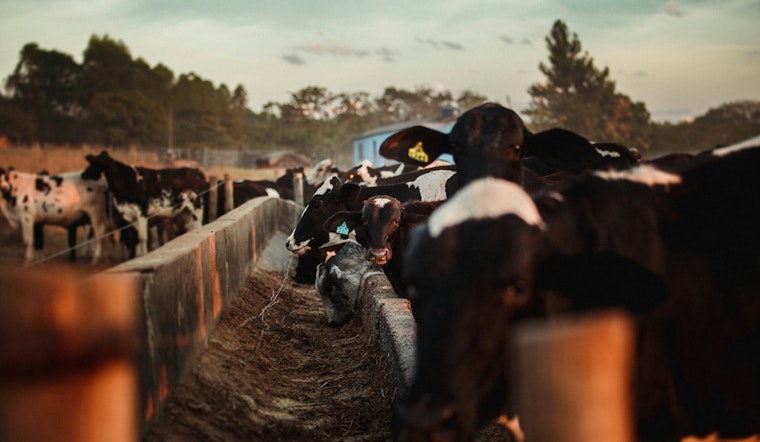
Amid rising concerns of bird flu spreading across species, researchers at the University of Minnesota's College of Veterinary Medicine have teamed up with the USDA to combat the highly pathogenic avian influenza (HPAI) now afflicting dairy cattle. This collaborative effort, backed by a $1.5 million grant, is critical in addressing the disease that jumped from poultry to wild birds and now mammals - a progression that includes 68 human cases and one fatality to date, as reported by the University of Minnesota news.
The College of Veterinary Medicine is spearheading initiatives that engage experts from multiple disciplines, such as virology, epidemiology, and agricultural biosecurity, among others. Despite the virus being less lethal to cows than to poultry, the discovery of bird flu in U.S. dairy cattle in early 2024 has set off alarms over the potential threats to livestock productivity and worker health. Scott Wells, a professor with a college, is at the forefront of this inter-industry research, according to the same university publication.
Minnesota has now implemented the new national milk surveillance program to keep a keen eye on dairy herds across the state. The surveillance tests are conducted at the Minnesota Veterinary Diagnostic Laboratory, part of the College of Veterinary Medicine, to facilitate swift identification of affected herds. This enables states like Minnesota to enact suitable mitigative strategies swiftly. Wells noted, "Minnesota is unique in having multiple really strong livestock and poultry industries, including turkey, swine, and dairy — and HPAI affects all of them," in a statement to the University of Minnesota news team.
With nine projects funded by the grant, the collaborative research will play a significant role in crafting future policies for disease surveillance, response, and prevention. The data harvested from these studies will inform best practices for dairy producers and veterinarians, aiming to shield both public health and the dairy sector's food security. The research's insights are poised to be a boon in crafting strategies to combat the flu’s global impact, particularly on food supplies, as highlighted by the aforementioned university article.
The College of Veterinary Medicine at the University of Minnesota remains a world leader in tackling health issues at the animal-human-environment interface. Housing renowned facilities such as the Veterinary Medical Center and The Raptor Center, the college continues to make significant strides in veterinary and public health research.




