

























































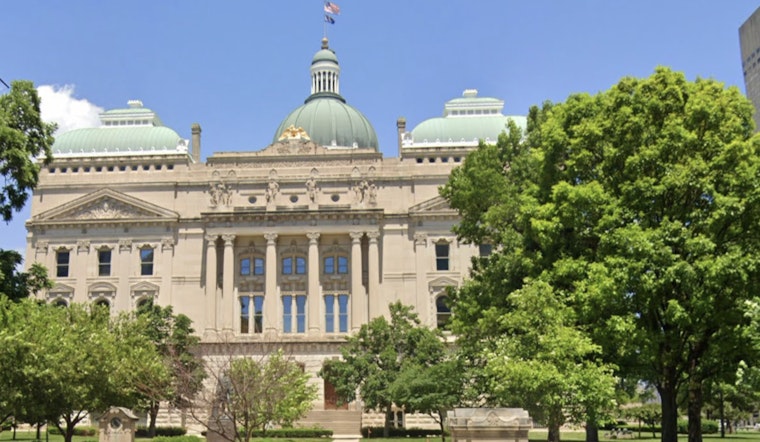
Earlier today, crowds of educators gathered at the Indiana Statehouse, their collective voice a resounding outcry against Senate Bill 1—a controversial property tax relief measure that opponents argue will slash funding for the state's already struggling public schools. WISHTV captured the intensity in a series of striking images, highlighting the widespread concern over an anticipated revenue loss of $744 million over three years—a figure that Indiana Public Schools (IPS) estimates could mean nearly a $14 million shortfall for the district alone.
The frigid numbers belie a warmth of camaraderie among the educators, who filled the statehouse to the brim, implicitly uniting under a banner of resistance against the bill that not only proposes cuts to their operational coffers but also fans the flames of an ideologically charged debate centering around funding for charter schools and the broader rights to school choice, issues that have divided communities and policy makers; according to a report by WTHR, this taut narrative has reached crescendo as the bill nears passage despite backlash.
Amid this staged drama, essential questions are raised about the future of public education in Indiana, with both sides digging in: teachers and public education advocates laboring to spotlight a funding formula they consider fundamentally flawed and partial to charter schools, and proponents of school choice maintaining that a restructuring of funds is necessary for equity and progress—a contention apparent in the spirit of each weed-whacking protest sign and each proponent's sharpened rhetoric as captured in an immersive live blog by IndyStar.
The proposed bill aims to ease property tax burdens for some homeowners but could also reduce funding for public schools. The Indiana State Teachers Association (ISTA) has expressed concern about this potential impact. Since ISTA called for a gathering at the Statehouse ahead of the final vote, educators and supporters have responded both in person and online. The outcome of the vote may significantly affect the future of public education funding in Indiana.




