

























































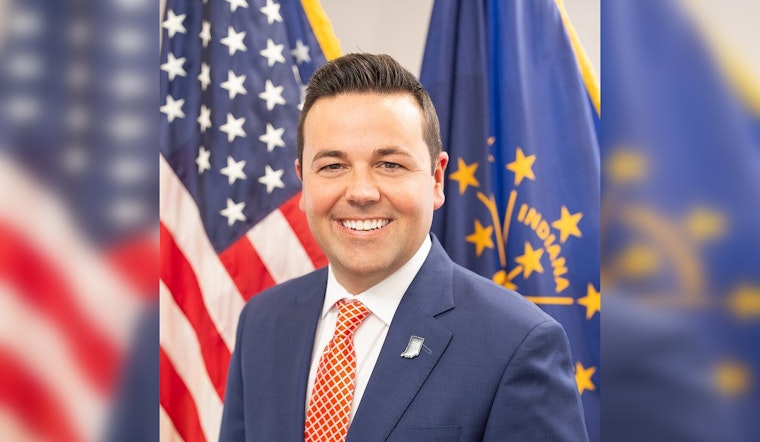
Lt. Governor Micah Beckwith has continued his journey across Indiana, fostering conversations among faith leaders about the role of churches and charities in tackling state challenges. The most recent roundtable, held in Terre Haute, provided a platform for community leaders to discuss substantial issues such as mental health, foster care, and parents' rights in education. According to information from a State of Indiana Government event page, Beckwith emphasized the significant contribution of faith-based organizations, citing that "private charities provide more than 70% of assistance to those in need nationwide."
The Terre Haute session is one among many in Beckwith's statewide initiative to better utilize faith-based entities in social services. He believes these organizations can offer to better address the individual needs than can a distant government. "It's going to take all of us working together to make a real difference, and if we keep operating in separate silos, it will never happen," Beckwith said in a statement reported by the State of Indiana event's publication. This initiative does not only seek to encourage collaboration but also to provide the leaders with resources they need.
The roundtable witnessed participation from an array of pastors and leaders from non-profits, all converging to hash out ways in which they can have a greater impact on their communities. The initiative, Beckwith claims, is geared towards amplifying the voices of these often-overlooked groups and ensuring they have a significant role in shaping Indiana's future.
As faith-based organizations and private charities play a critical role in service delivery, the Lieutenant Governor’s initiative aims to empower these institutions and help them to more effectively share their cumulative wisdom on complex matters. "Faith-based organizations and private charities offer practical and compassionate solutions that often exceed what the government can deliver," Beckwith told attendees, highlighting the importance of local knowledge and community-driven support systems for those in need, according to the State of Indiana.





