

























































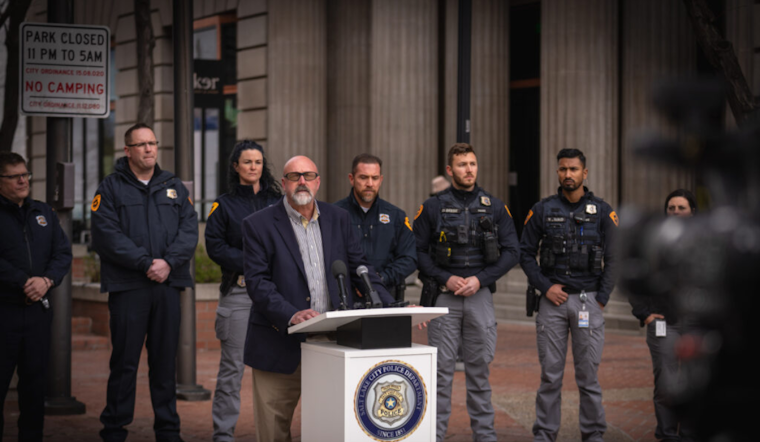
In response to Sexual Assault Awareness Month, the Salt Lake City Police Department is rolling out a new strategy to curb sexual violence in entertainment venues. The SLCPD, in collaboration with local businesses, is focusing on training employees of bars and restaurants on how to recognize the signs of sexual assault and support potential victims. The initiative encourages staff to take actions such as calling a rideshare or contacting police when customers are in vulnerable positions, as detailed by SLCPD.
Officer Marie Stewart of SLCPD's Central Patrol Division is spearheading the effort, which is designed to be trauma-informed and survivor-centered. "Our message to you today is one of empowerment," Stewart said, expressing the department's dedication to public safety. Despite a drop in reported sexual assaults citywide, she emphasized the importance of intuition and the need to pay attention to gut feelings. The initiative addresses the issue of underreporting, which is a prevalent concern, according to SLCPD.
Statistics from the SLCPD indicate a nearly 7% decrease in reported sexual assaults in 2025 compared to the previous year, yet the number remains the same in Council District 4. The downward trend is a positive sign, but the fight against sexual violence is far from over. "A big part of policing is service,” commented Salt Lake City Police Commander Bill Manzanares. He went on to stress the importance of officers participating in community projects that build trust and foster positive interactions between the police force and residents.
To tackle sexual violence comprehensively, the strategy also involves advocacy and support networks. "Sexual violence remains a serious concern in Utah, and prevention must be a shared responsibility," said Wendy Isom, Director of Salt Lake City Police Victim Services, as per SLCPD. Partner organizations such as the Rape Recovery Center are actively participating, to both support survivors and educate the public on prevention. According to Gary Scheller, associate director of the Rape Recovery Center, despite the urgent need to continue supporting those affected, prevention is indeed possible.





