

























































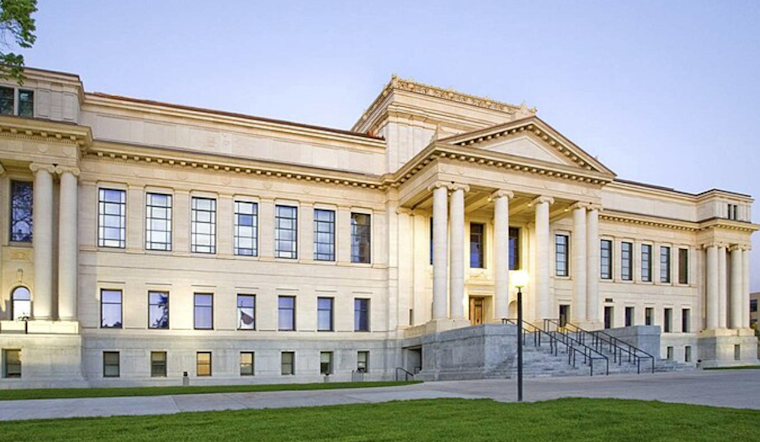
The collaboration between the University of Utah and the Northwestern Band of the Shoshone Nation (NWBSN) is making significant strides in making history accessible and relevant, as they work together on a community-based archival project. The project, spearheaded by Environmental Humanities Director Danielle Endres, hinges upon principles like "respect, relationship, representation, relevance, responsibility, and reciprocity," fundamentals of Indigenous Research Methods that guide this initiative against a history of extractive research practices.
Students and researchers have dedicated over two years sifting through documents in the Marriott Library's Special Collections, their efforts shedding light on the NWBSN's past, including the harrowing Bear River Massacre of 1863, through the chance upon listing of surviving soldiers, according to AtTheU. By venturing to restore tribal lands and aid in the resurgence of tribal narratives, this archival work emboldens the Shoshone to recount their own, hitherto muted, stories, therefore contributing to the social fabric, weaving strands of historical context and identity.
This initiative goes further than just scholarly access; with Brad Parry, Vice Chairman of the NWBSN, lauding the project's role in helping "the tribe remember who they are," as he disclosed his perspective on the importance of the archival materials to the University of Utah's publication. A profound element of this partnership is the inclusion of the NWBSN elders, who bring a wealth of context to the historical records the students are exploring.
The students' visit to the site of the Bear River Massacre for a tree-planting ceremony connected academic rigor with tangible healing, leading Caleb Grow, a senior student, to reflect on the sacredness of such ground and the value of recognizing and honoring it. Grow's insights highlight the transformative nature of the project; by learning about and participating in the restoration efforts of the sacred Wuda Ogwa site, these students are positioning themselves at the nexus of education, ecological restoration, and spiritual acknowledgment.
Strides in the archival project have been multifaceted, with the uncovering of crucial materials and fostering of community uplift. As Anthropology Professor Brian Codding observed, the archives not only offer a snapshot of past plant and animal communities but also serve as vital resources in stitching together a holistic environmental narrative to aid current restoration efforts; this collaborative work stretches beyond the library's walls and into ongoing ecological projects.
The project exemplifies a partnership between academia and indigenous groups built on mutual respect, as further outlined by NWBSN's Maria Moncur, who praised the streamlined cooperation and the students' driven interest in understanding and uncovering history. Looking ahead, the partnership anticipates more field trips for NWBSN elders and continued dialogue on maintaining NWBSN's ethical guidelines in archiving practices, signifying a sustained synergy between the U and NWBSN.





