

























































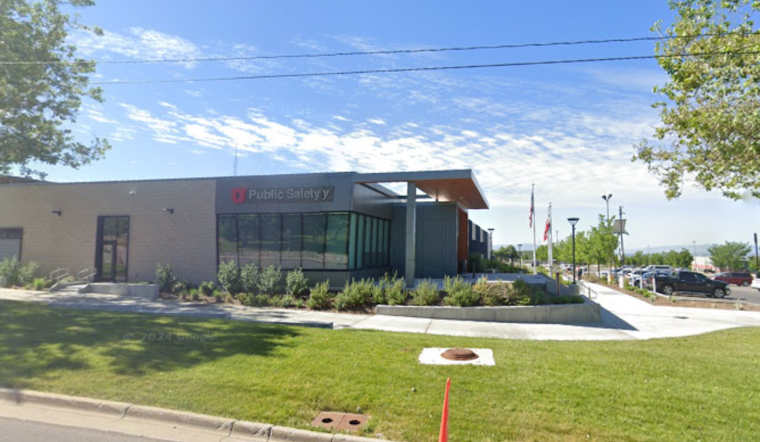
In a remarkable breakthrough that bridged past and present, the University of Utah Police finally unearthed the truth behind the disappearance of student Douglas Brick, who had vanished without a trace in 1973. After 51 years, skull fragments located in the foothills above the university have been conclusively identified as Brick's, as reported by AtTheU. The fragments were a 99.9 percent genetic match with Brick's living relatives, thanks to the advancement of DNA testing. The decades-long cold case that once seemed to have reached a dead end has culminated in closure for the family of the once missing student.
Brick's case, which had been obscured by time, lost records, and a dwindling number of people who remembered the young man, entered the spotlight due to rigorous police work and serendipity. It wasn't until University Police hired a crime data analyst, Nikol Mitchell, in 2022, that the cold case was rediscovered after at least 20 years in obscurity. Following a fortuitous meeting between University Police's Major Heather Sturzenegger and Steven Warren, a former student who was Brick's roommate in 1973, critical leads emerged. Warren happened to mention during a casual conversation at a doctor’s office that his missing roommate, setting off a sequence of events that would ultimately solve the long-cold case.
Detective Jon Dial became instrumental in the investigation, following leads to California to collect DNA samples and gathering new information about Brick, including a sighting claimed by a store clerk with self-proclaimed psychic abilities. The clerk had eerily described Brick's fate in the foothills, a narrative which Dial found uncomfortably aligned close to where the skull fragments were ultimately discovered. The case seemed to draw a line between past insights and present technology, demonstrating both the persistence of memory and the power of modern forensic science.
Despite the lengthy passage of time, the impact of Doug's disappearance on those who knew him remained undiminished. Warren remembered his roommate vividly, leading to policy changes at the University of Utah concerning student withdrawals. Cory Farnsworth, son of Sergeant Gil Farnsworth, who was involved in the original case, still recalled the futile searches he joined as a child. The pertinacity of the university police and the advancements in DNA technology, combined with these long-held memories, made it possible for Brick to be found after more than half a century. "When I got the report, I lost my breath," said Sturzenegger, expressing the overwhelming moment of discovery when the DNA analysis confirmed the skull belonged to Brick, as detailed by AtTheU.
The family offered their gratitude for the resolution of their loved one’s case and thanked all involved, including "the hunter who found him 6 months ago and reported it immediately, Detective Jon Dial and Major Heather Sturzenegger, search and rescue volunteers, and all the individuals and agencies," as mentioned by AtTheU.




