

























































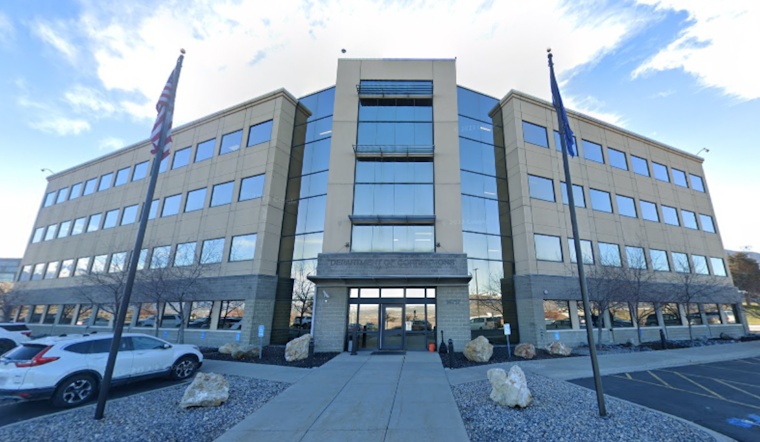
The partnership between the Utah Department of Corrections (UDC) and U.S. Immigrations and Customs Enforcement (ICE) has taken a stride forward, involving the delegation of new responsibilities to state corrections officers. As reported by The Salt Lake Tribune, the recent deal will now permit trained UDC employees to execute ICE warrants on prisoners in the state's correctional facilities.
The transition of inmates to ICE custody is expected to occur upon the completion of their sentences, a practice that is not entirely new to the state's operations, "It's not really a huge change for us, to be honest with you," said Spencer Turley, the deputy executive director of the UDC, as per FOX 13. The process is slated to take place at the Utah State Correctional Facility in Salt Lake City and the Central Utah Correctional Facility in Gunnison.
As detailed by FOX 13, the agreement involves designating and training selected UDC employees as Warrant Service Officers. These officers will be responsible to coordinate information with ICE authorities and manage the transfer of inmates without legal status. Deputy Executive Director of the UDC, Spencer Turley, indicated that the new roles will be voluntary, "If someone is not interested in participating, that’s great — there’s no requirement, or expectation of their job that they do," he explained.
The memorandum's potential implications concern immigration attorney Sergio Garcia, who deliberates on the heightened chances of trials over plea bargains, "I think this might affect the prosecutor's office as well because they might see a lot more cases going to trial rather than getting resolved before trial," he stated, according to FOX 13. Garcia raises questions about due process for inmates, "Am I going to get the chance to see an immigration judge after I get picked up from prison? Am I going to get released and then get picked outside of prison, or am I going to be directly transported to ICE?" he said, echoing the concerns likely to surface among affected individuals.
Despite these apprehensions, UDC emphasizes the continuity of its longstanding cooperation with federal authorities, aiming to "remove dangerous criminals after their sentences are complete." This statement aligns with the department's historical protocol and underscores the narrative of curtailing public safety risks by transferring individuals directly into the custody of ICE, as noted by The Salt Lake Tribune. As the new agreement takes effect, it awaits to be seen how the changes will unfold within the Utah correctional system and the broader community.





