

























































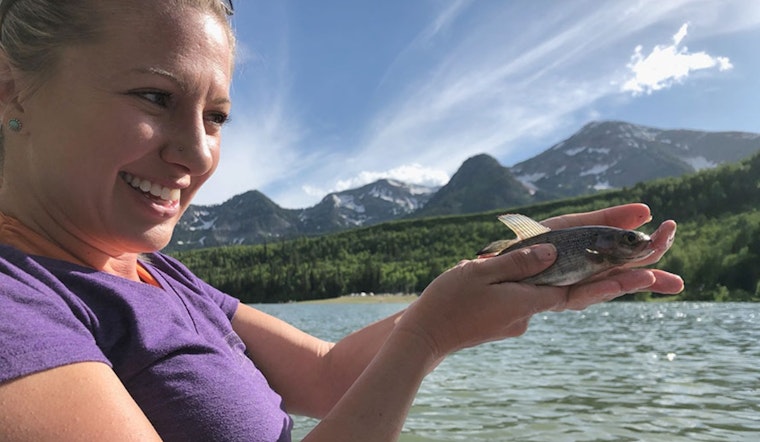
Amidst the grappling with severe drought conditions that Governor Spencer Cox acknowledged through an executive order for emergency in April, Utah's ecosystem, particularly its aquatic residents, is facing heightened challenges. As the drought persists, 17 Utah counties are under a state of emergency, and the implications for Fish and wildlife are becoming increasingly evident. The drought is hitting hard, reducing vital water reserves in lakes, reservoirs, and streams, the lifeblood of the state's fish species, as per the Utah Division of Wildlife Resources.
"This smaller amount of water heats more quickly and warms to higher temperatures than when there is more water available," Trina Hedrick, the Sportfish Coordinator at the Utah Division of Wildlife Resources, explained. "Warm water also holds less oxygen than colder water," according to the Utah Division of Wildlife Resources. With the combination of high temperatures and low oxygen levels, fish, particularly coldwater species like trout, are susceptible to stress, which can result in stunted growth and disease. In some cases, these conditions can be fatal.
The drought is not just a concern for the fish, but it also affects the fishing community. Southern Utah's boating enthusiasts may need to adjust their summer plans, with water levels at some lakes and reservoirs expected to drop to a point where boat ramps may no longer be usable. Anglers are advised by the Utah Division of Wildlife Resources to check waterbody updates, particularly later in the summer, to ensure access points are available for their vessels.
Forward-looking management strategies have been adopted by the division to counteract the effects of the drought on fishing. "As part of our long-term planning for the future of fishing in Utah, we are also working to adapt our management strategies to ensure the long-term health and viability of our aquatic resources," Hedrick told the Utah Division of Wildlife Resources. Among these strategies is the initiative to raise and stock additional warm water species that are more adapted to higher temperatures and lower oxygen levels.
For those looking to support fish survival during these tough drought conditions, the Utah Division of Wildlife Resources suggests fishing during cooler times, mornings, or evenings. They also recommend selecting fishing spots with deeper and cooler waters, allowing released fish an increased chance of survival. When it comes to handling fish, the division advises anglers to minimize fight times, shorten physical contact, and use methods that protect the fish, such as rubber or coated nylon nets and prompt hook removal with the appropriate tools.
It's also recommended to release fish without removing them from the water whenever possible, or use a descender device for fish caught in deeper waters. These practices can significantly boost the chances of fish recovery and contribute to the overall health of Utah's aquatic environments amidst the challenging drought conditions.





