

























































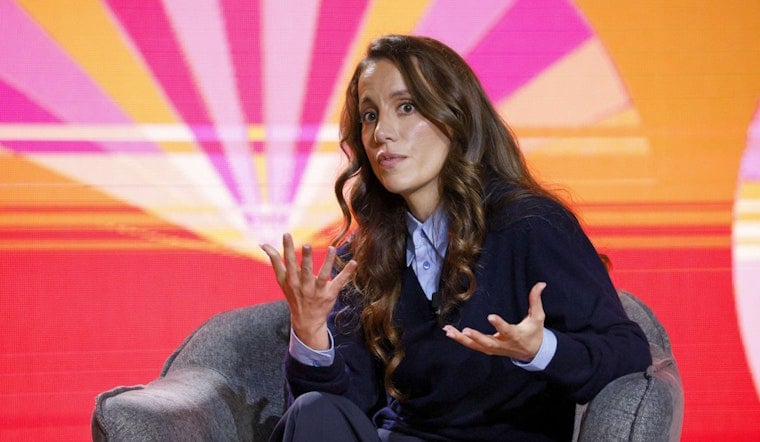
Mira Murati's Thinking Machines Lab has claimed a significant footprint in the Mission District, leasing the entire 72,500-square-foot building at 2300 Harrison Street in a move that signals both the AI startup's ambitious growth plans and the neighborhood's continued evolution into a tech hub. The deal comes as the six-month-old company, valued at $12 billion following a $2 billion fundraising round, faces aggressive talent poaching attempts from Meta CEO Mark Zuckerberg.
The Harrison Street building, a converted early 20th-century industrial structure between 19th and 20th Streets, has housed a succession of high-profile tech tenants over the past decade. According to CommercialCafe, ride-sharing giant Lyft previously occupied the space as its headquarters before relocating to China Basin, while data analytics company Looker and UC San Francisco also maintained offices there.
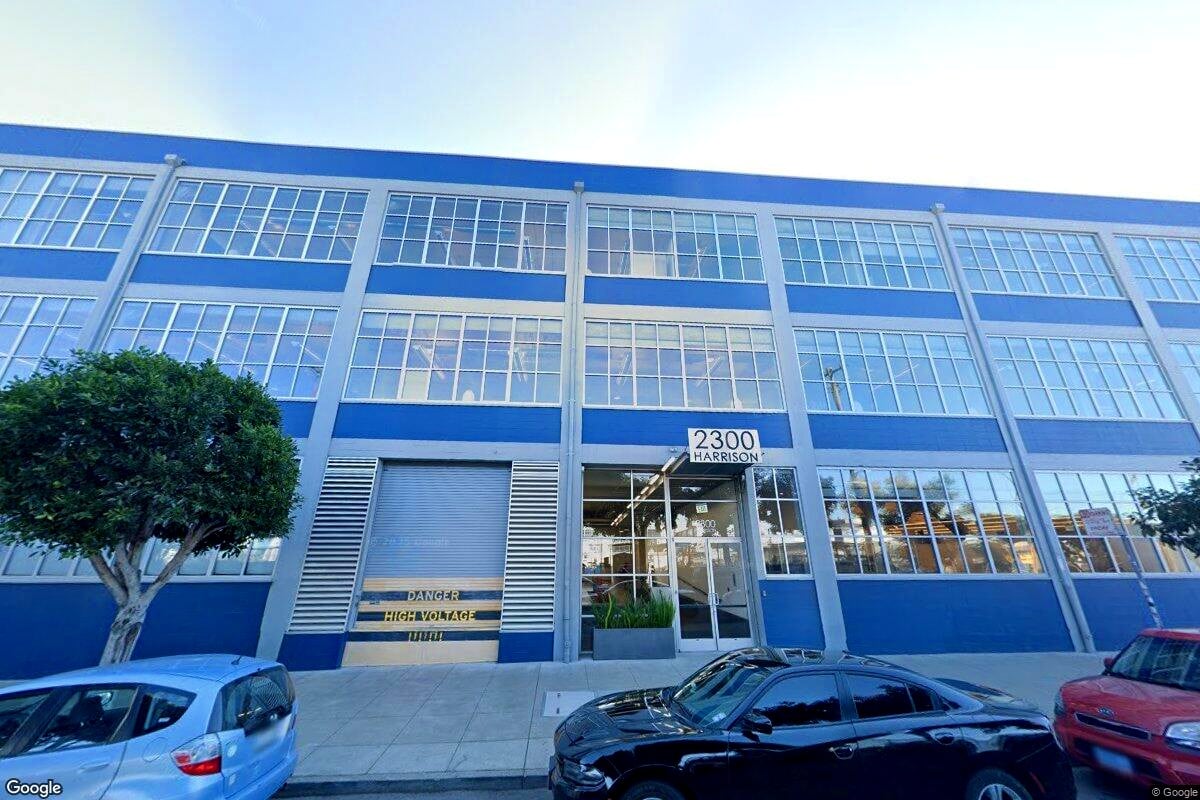
Source: Google Street View
Meta's Failed Billion-Dollar Raid
The lease announcement coincides with revelations that Zuckerberg personally attempted to acquire Thinking Machines Lab earlier this year, and when rebuffed by Murati, launched what The Wall Street Journal characterized as a "full-scale raid" on the startup's talent. The most dramatic episode involved co-founder Andrew Tulloch, an Australian AI researcher who reportedly turned down a compensation package worth up to $1.5 billion over six years, according to Futurism—a figure Meta spokesperson Andy Stone dismissed as "inaccurate and ridiculous."
Despite Meta's aggressive courtship of more than a dozen of Thinking Machines Lab's roughly 50 employees, none have accepted offers to join the social media giant's superintelligence unit. This resistance reflects broader skepticism among AI researchers about Meta's advertising-driven business model and preference for working at smaller, research-focused organizations, as reported by Axios.
Mission District's AI Transformation
The lease fits into a dramatic transformation of San Francisco's Mission District, western SoMa, and Potrero Hill areas into what industry analysts have dubbed "Area AI." Two dozen of the city's 80 AI companies now operate within this corridor, drawn by converted industrial buildings that offer the high ceilings and flexible layouts favored by hardware-intensive AI operations, according to The Real Deal.
This geographic clustering mirrors broader trends reshaping San Francisco's commercial real estate landscape. AI tenants accounted for 25% of total office leasing activity in San Francisco last year, with industry tracker JLL monitoring 800,000 square feet of requirements from AI companies as of 2024, as reported by GlobeSt. The sector's growth has provided a crucial lifeline for landlords struggling with a citywide office vacancy rate that peaked above 36%.
Following OpenAI's Playbook
Thinking Machines Lab's expansion trajectory closely parallels that of its corporate parent's former employer. OpenAI previously occupied humble digs in a century-old restored trunk factory at 2181 Folsom Street in the Mission before graduating to nearly one million square feet across multiple San Francisco locations, including the largest office lease of 2024 at 350,000 square feet in Mission Bay, according to The San Francisco Standard.
Recent months have seen this pattern repeated across the city's AI ecosystem. Sierra AI expanded from 4,000 to 41,104 square feet, Scale AI signed a 178,000-square-foot deal in Showplace Square, and Lambda recently opened a 20,000-square-foot downtown office with plans for further expansion, as reported by CoStar and The San Francisco Chronicle.
A Contrarian Bet on In-Person Culture
The lease also reflects AI startups' embrace of in-person work culture, contrasting with the remote-work policies adopted by many established tech companies during the pandemic. Industry surveys suggest that younger AI companies require employees to work on-site four or five days weekly, driven by the belief that complex AI development benefits from face-to-face collaboration, according to IPG.
This trend has created opportunities for landlords and shifted leasing dynamics throughout the city. 62% of AI leases signed since 2023 have been for sublease space, as startups capitalize on reduced rents to secure larger footprints than immediately needed, according to Newmark.
Market Recovery Signal
Commercial real estate analysts view the Thinking Machines Lab lease as further evidence of San Francisco's office market stabilization. CBRE projects AI firms will absorb an additional 16 million square feet between now and 2030, potentially reducing the city's vacancy rate from 35.8% to less than 18% if current absorption trends continue, according to Commercial Observer.
However, the sustainability of this AI-driven recovery remains debated among industry observers. CBRE estimates that AI firms will ultimately require only 50-75% of traditional office space per employee, as the technology enables greater operational efficiency and companies prioritize capital investments in data center infrastructure over real estate, as analyzed by Commercial Observer.





