

























































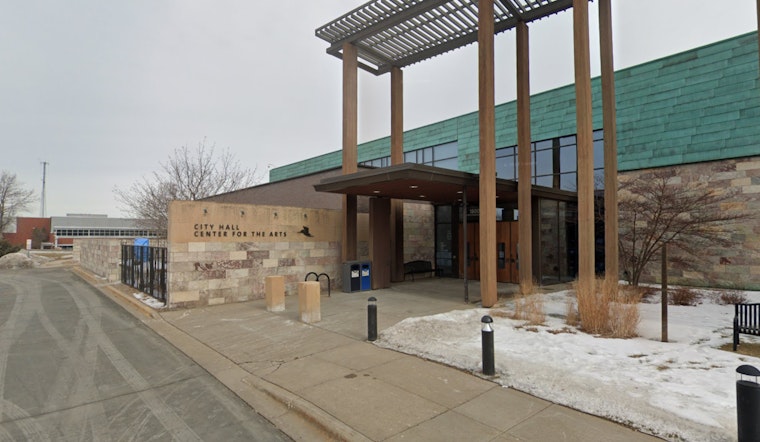
Residents of Bloomington have the chance to gain insight into the city's finances and to share their thoughts on the proposed 2026 budget. A public session is scheduled for Monday, August 18, at 6:30 p.m. This gathering, taking place in the City Council Chambers at Civic Plaza, located at 1800 W. Old Shakopee Road, provides an opportunity for community members to deeply understand and to actively participate in the priority-based budgeting process.
According to a recent briefing on the City of Bloomington's official website, priority-based budgeting is recognized as a best practice in government finance. It’s designed to systematically evaluate programs, ensure resources are in alignment with strategic priorities, and enhance transparency for data-driven decision-making. During the session, Deputy Finance Officer Kari Carlson will present details on this process, followed by a time for attendees to provide feedback. The evening will be capped off with a City Council discussion, giving citizens a full view of how local government decisions are made.
For those interested in learning more about where their tax dollars might be going and what city initiatives will be prioritized in the coming year, this meeting is a key event. From public safety and public works to parks and recreation, a wide range of services rely on the careful planning and allocation of the city's budget. Community engagement is not only encouraged but essential for a democratic process that reflects the needs and preferences of its residents.
Full details on the 2026 budget are available for review prior to the session. Citizens looking to prepare in advance can access this information on the city's website – simply visit blm.mn/budget. This transparency step aims to not just inform but to empower the public to make their voices heard in a setting where their opinions can significantly influence the final budgetary decisions.
The August 18 session is an invaluable resource for those seeking to comprehend how their community operates financially and wishing to contribute to the discussion. The budget, after all, is more than a simple ledger; it's a plan that affects every resident's daily life and the overall health of the community.





