

























































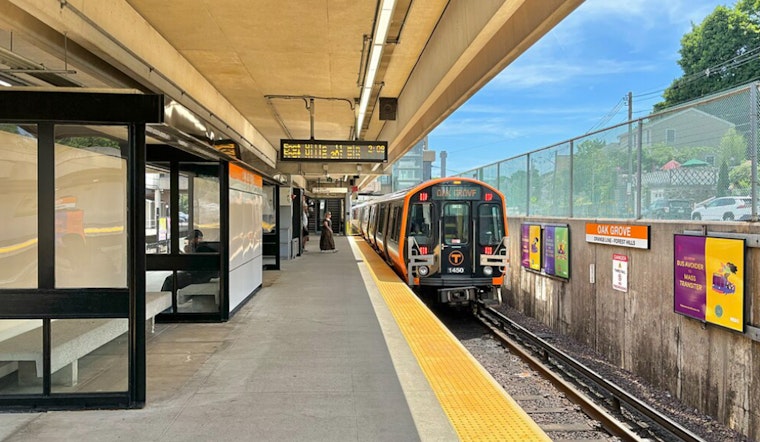
Commuters on Boston's MBTA Orange Line can now enjoy a swifter journey, with trains hitting speeds of 55 mph for the first time. The MBTA revealed during their August board meeting that, as of August 24, these faster speeds would be in effect on stretches between Oak Grove and Assembly Station, according to an announcement.
The Orange Line, historically capped at 40 mph, had once been designed for 55 mph travel; however, speeds had been throttled back due to deteriorating track infrastructure to ensure safety for passengers and operators. Now, with extensive repairs and upgrades, the Orange Line is back on track, said MBTA General Manager Phillip Eng on Massachusetts Bay Transportation Authority, adding that the recent changes will “further shorten trip times, giving our riders back even more precious time.”
“These improvements aren’t just about the numbers—they promise more time for the little things in life,” Governor Maura Healey pointed out on Massachusetts Bay Transportation Authority. "This means faster, smoother commutes for riders and allows them to spend more time with family and friends, cooking a meal, taking the dog for a walk, or catching a ball game." Her sentiments echoed the broader vision of a transportation network that brings quality to everyday life, a notion supported by the investments and enhancements outlined by MBTA General Manager and CEO Phillip Eng.
With an infrastructure revival underway, this uptick in velocity is part of a wave of enhancements aimed at enriching the transit experience, said Transportation Secretary and CEO Monica Tibbits-Nutt on Massachusetts Bay Transportation Authority. “We are reaching new heights by introducing new vehicles, replacing track, modernizing signals, and investing in the people who make our system run,” she stated, depicting a multifaceted escalation of the MBTA’s capabilities. Despite an array of behind-the-scenes efforts like the Track Improvement Program (2023–2024), which removed over 220 speed restrictions and replaced 250,000 feet of rail, it couldn't have been done without the public's patience through disruptions. The projected economic benefit nears $1 million every day.
It reflects a combination of calculated investment and the efforts of the workforce contributing to improvements in Boston's public transportation, resulting in trains traveling at higher speeds and reducing travel times for commuters. These reduced travel times provide additional minutes in daily schedules beyond the duration spent on subway cars.





