

























































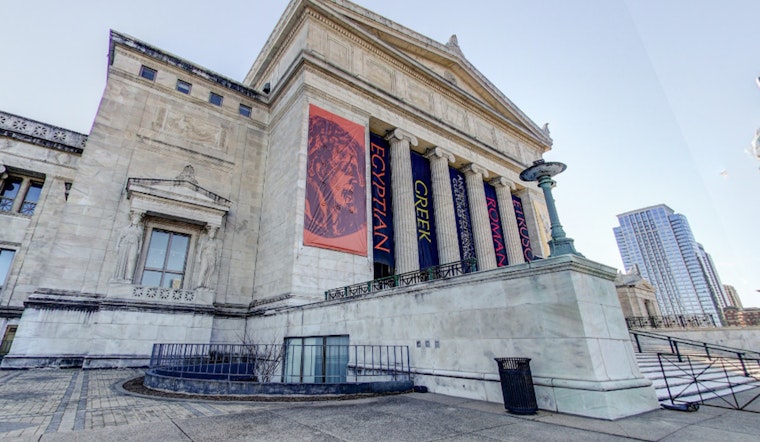
Just a stone's throw from the bustling streets of Chicago, a treasure trove of ancient history lies waiting beneath the earth's surface at Mazon Creek, and the Field Museum is bringing its hidden wonders to light for the public to marvel. According to a NBC Chicago report, Dr. Argan Mann, assistant curator of early tetrapods, is leading the charge at the museum's dedicated lab, which collaborates with the Earth Science Club of Northern Illinois to excavate and study the remarkable site hailed as one of the "world's best fossil sites."
Fossils found at Mazon Creek are casting new light on prehistoric life, the Field Museum's researchers excitedly sharing a variety of findings from 309-million-year-old temnospondyls to other bizarre creatures that once thrived in an ancient inland sea, where the Field Museum excitedly shares a variety of findings from 309-million-year-old temnospondyls to other bizarre creatures that once thrived in an ancient inland sea, including Joseph Goldfarb, a 7-year-old visitor to the museum, couldn't help but exclaim "Whoa!" as CBS Chicago captured his reaction to the fascinating exhibits.
These discoveries from the Mazon Creek site, an area that owes its name to a tributary of the Illinois River, form an extensive collection that is recognized globally. "You go about just to every museum collection in the world, you can find Mazon Creek fossils," Mann told CBS Chicago. Delving into large piles of rock and dirt left from coal mining operations from the mid-19th century, today's amateur and professional paleontologists alike enjoy the thrill of uncovering ancient life forms, often working side by side.
The Field Museum is leveraging the historical bounty of Mazon Creek, providing a dynamic platform for public interaction and education, through a series of events at the museum where attendees are invited to engage directly with the researchers and their finds, as visitors to the museum dramatically reacting to the fossils with expressions of audible surprise and one individual's testimonial to paddling in the sea of discovery, echoing a sentiment likely shared by many amateur and budding scientists, according to NBC Chicago the museum is bringing these ancient marvels closer to us, and in certain cases like the temnospondyl, even honoring the finders—a couple who own a rock shop in Evanston—with a namesake.





