

























































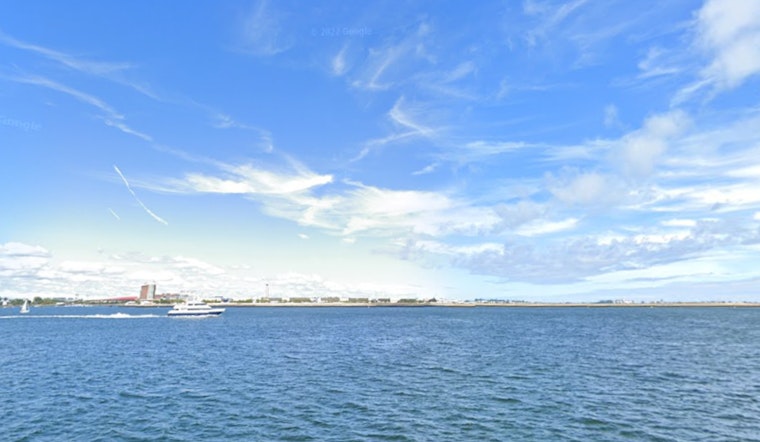
The Healey-Driscoll Administration has signaled a fresh wave of commitment to sustainable transport with an announcement today funneling over $2.3 million into expanding water-based transportation options around Boston Harbor. This effort, aiming to slash road congestion and simplify the daily transit struggles of residents and workers, includes marking six projects for grant aid, all designed to make ferry services quicker, more financially accessible, and broadly available.
As Bostonians look towards a faster commute, whether it be to their places of work, cherished historical sites or for educational ventures, the governor has put forth a vision for an easeful harbor journey—Governor Maura Healey asserted, "We're making getting around the Harbor faster, easier and more affordable,” while Lieutenant Governor Kim Driscoll highlighted the secondary boon to local commerce and tourism, according to a release on the Massachusetts government website. Their words pave the way for projects like the expanded Winthrop/Quincy ferry route managed by the MBTA, anticipated to treble its daily rider capacity and streamline round trip timings by up to three-quarters of an hour.
Digging deeper into the nitty-gritty, the investments are poised to foster richer water-based educational and cultural experiences through programs run by non-profits; Boston Harbor Now will receive $200,000 to back its climate education initiatives; Save the Harbor / Save the Bay is being awarded $400,000 to continue its free educational cruises. Another recipient is the Massachusetts Convention Center Authority, which will receive $400,000 to offer free or discounted ferry tickets for service workers commuting to and from the Seaport.
The intersection of the environment and economy seems to be a forefront concern for the administration; Energy and Environmental Affairs Secretary Rebecca Tepper noted, “These funds help take cars off the road and improve access to sustainable transportation options,” emphasizing the grants as wise investments for future generations. Reinforcing this sentiment, MassDEP Commissioner Bonnie Heiple said, "Water is one of our most valuable assets in Massachusetts," both statements showcasing a shared vision for a greener transportation matrix that still supports dynamic economic growth.
Anchoring this tide of change is the Massachusetts Department of Environmental Protection's stewardship, known for regulating public waterfront use under the Massachusetts Public Waterfront Act. A requirement for Boston Harbor developments to contribute financial resources to water transportation ensures that as the regional landscape evolves, so too does the accessibility of Boston’s waterways. It's clear the Healey-Driscoll Administration, alongside MassDEP, is steering the region toward a future where water transportation isn’t merely an alternative but an integral component of the Commonwealth’s transit framework.





