

























































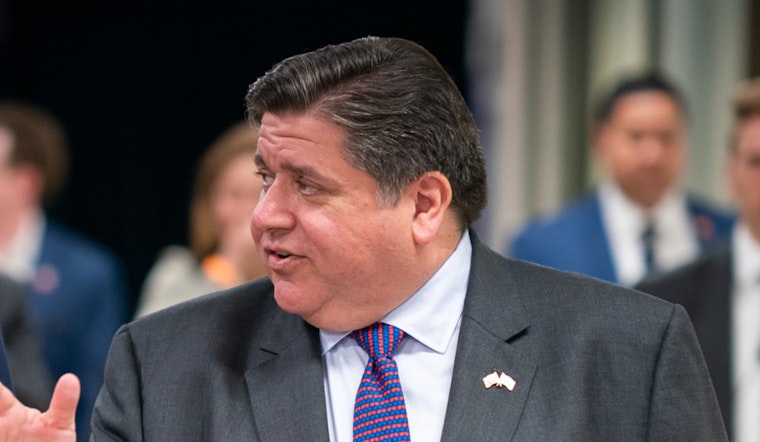
Illinois is stepping up its game in the fight against human trafficking with a new bipartisan legislation that Governor JB Pritzker has recently signed into law. Expected to take effect at the start of 2026, this legislation is set to streamline the state's response by ensuring a trauma-informed and victim-centered approach across various state agencies. "It is a modern form of slavery, that’s what it really is; you’re treating a human being like a piece of property, rather than a human being," Illinois State Police Director Brendan Kelly expressed in a statement obtained by the Chicago Sun-Times.
The alarming increase in the contacts and reported services for trafficking survivors has prompted the legislation. The National Human Trafficking Hotline received 792 contacts from Illinois in 2024, up from 696 in 2023. Additionally, services provided to trafficking survivors by state agencies saw an increase, with 448 survivors receiving aid in fiscal year 2024 compared to 321 the previous year, as detailed by the Illinois Criminal Justice Information Authority. However, these figures are likely only a fraction of the actual number of victims in the state, with human trafficking often remaining underreported.
Supporting the effort, Illinois State Senator Julie Morrison sponsored the law and emphasized its potential to mend existing gaps in the system. "By breaking down silos between agencies, we can connect survivors to compassionate support faster and make it more difficult for trafficking networks to operate in the state," Morrison told the Illinois Senate Democrats. The law draws upon recommendations from the Joint Human Trafficking Working Group, composed in 2023, which incorporates insights from over 60 stakeholders and state agencies. Aimed at creating a strategic statewide plan, the legislation includes the development of standardized training for social services and enforcement agencies.
Among the law's provisions, the Department of Children and Family Services is required to establish a new unit to coordinate trafficking services and prevention. This initiative promises expanded training for professionals within the Department of Human Services, Department of Juvenile Justice, and Department of Corrections to better identify and support victims, particularly youths in state care. Furthermore, the law pushes for the establishment of multidisciplinary task forces that would enable law enforcement to better coordinate across jurisdictions and strengthen screening procedures for at-risk individuals. "This is about making sure people don’t fall through the cracks because agencies aren’t communicating,” Morrison added in highlighting the significance of the law. Additionally, it eliminates the 25-year statute of limitations for trafficking survivors trafficked as minors, granting them the ability to seek justice regardless of the time elapsed.





.jpg)