

























































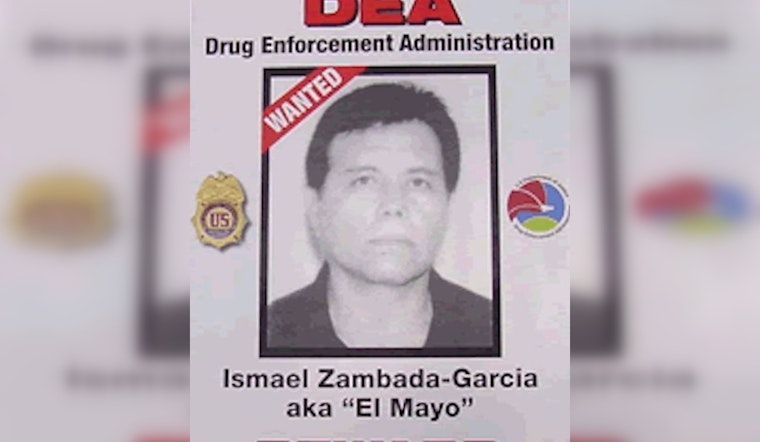
Former Sinaloa cartel leader Ismael "El Mayo" Zambada Garcia admitted his guilt on Monday to numerous federal charges in the United States, involving drug trafficking, racketeering, and running a continuing criminal enterprise. According to Chicago Sun-Times, the 77-year-old kingpin expressed remorse for his influential role in distributing illegal substances across the US-Mexico border.
During the hearing, Zambada acknowledged before the court his involvement in the illegal drug business since his teens, planting marijuana for the first time in 1969. "I recognize the great harm illegal drugs have done to the people in the United States and Mexico," Zambada stated, as reported by the CBS News. These events, which stretch back to the late '70s when the Sinaloa cartel originated, have seen Zambada rise through the ranks to ultimately run the cartel alongside the notorious Joaquin "El Chapo" Guzman.
Zambada and Guzman, having helmed an organization responsible for the widespread distribution of narcotics such as cocaine, heroin, and fentanyl into the United States, faced charges of not only drug smuggling but also employing a network of individuals across several countries to facilitate their operations. With a past cloaked in violence, the former cartel boss admitted to the court that myriad deaths of rivals, supporters, and innocents lay at the feet of the cartel's confrontations, a rare public mea culpa from such a high-level figure in the drug trade.
As part of the proceedings, Zambada is expected to receive a life sentence, scheduled for January 13, eschewing the death penalty, as indicated in the lead-up to his plea. The ex-cartel leader was arrested last year in Texas with one of Guzman's sons, further fracturing the already teetering facade of the Sinaloa cartel's unity. The arrest sparked deadly confrontations in Mexico, pitting loyalists against those aligned with Guzman's sons.
Despite his plea, the full impact of Zambada's admission is yet to unfold. With the criminal enterprise he helped to grow and sustain now facing an uncertain future, the ramifications of his guilt and the potential for further internal conflict within the Sinaloa cartel loom on the horizon. Indeed, as reported by the CBS News, Zambada, once seen as a skilled negotiator and strategist, now leaves a void at the top of an organization deeply rooted in violence and illicit trade.





