

























































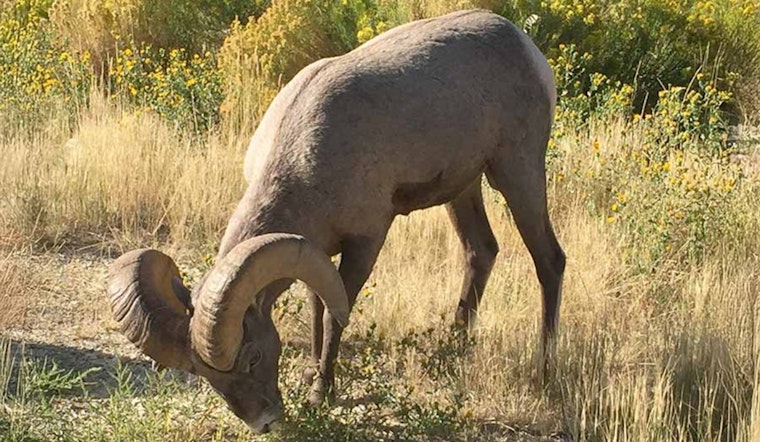
The Utah Division of Wildlife Resources (DWR) recently announced a slew of proposed updates for the management of mountain goats, bighorn sheep, and mule deer populations within the state. Focusing on maintaining the well-being of these wildlife species, the DWR is turning to the community for input on the proposed changes. Now into the mid-plan review phase, updates to the 10-year management plans for both the mountain goats and bighorn sheep, which began in 2018, are on the table. The public's opinions are being solicited ahead of crucial Wildlife Board meetings.
In a bid to preserve the state's ecosystems and enhance conservation efforts, the proposals address a range of issues. These include the process for bighorn sheep transplants, involving hunters in disease prevention, and potential sites for future reintroduction of certain bighorn sheep subspecies. The DWR also aims to make a few clerical and legislative updates to improve the clarity and efficacy of these plans.
As quoted from the Utah Division of Wildlife Resources, Once-in-a-Lifetime Species Coordinator Rusty Robinson emphasized the importance of public engagement: "These plans are really important in guiding our objectives to maintain healthy mountain goat and bighorn sheep populations in Utah," he said. "We really appreciate those who serve on the committees and provide input on these plans and the associated updates."
Adjustments to the deer unit plans are also on the docket, spearheaded by the desire to enhance the mule deer population in several southeastern Utah hunting units. Changes in statewide modeling efforts have yielded revised population estimates that trumpet, over their current objectives. This has prompted the DWR to recommend increasing the population objectives for several hunting units, including the La Sal, Manti/San Rafael, and San Juan, Abajos units.
Details about the proposed updates and how to give feedback have been disseminated by the DWR. Information and biologist presentations can be accessed on the DWR website, and are also available on their YouTube channel. However, as the DWR has noted, comments must be submitted through the website's forms to be considered in the upcoming meetings. With the public comment period already open, those interested in contributing their voices to the conversation are encouraged to do so promptly, as online comments have set deadlines ahead of each regional advisory council meeting.



