

























































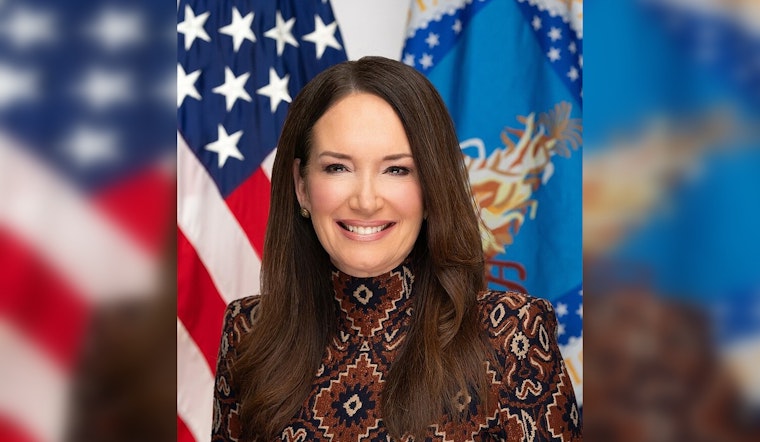
The U.S. Secretary of Agriculture, Brooke L. Rollins, and U.S. Secretary of Commerce Howard Lutnick are setting sail on a new America First seafood strategy in Alaska, emphasizing the need for the nation to shore up its seafood competitiveness and economic growth. According to an op-ed published in the Anchorage Daily News, the strategy seeks to return the industry to its former glory by removing what is described as burdensome regulations and leveling the playing field against foreign competitors.
In the article, Rollins and Lutnick reference an executive order enacted during President Trump's first term, and a more recent one in April aimed at "Restoring American Seafood Competitiveness." Highlighting the significance of Alaska's fisheries, which account for approximately 60% of America’s harvest by volume, the secretaries argue that the industry's success is being hampered by excessive regulation and unfair trade practices from overseas. These factors combined are claimed to restrict harvests and to undercut the market competitiveness of domestic seafood producers.
Alaska, the largest federal fisheries state in the nation, is not just a powerhouse in terms of volume but is also a significant contributor to the state's economy, with a purported $6 billion in economic output. The secretaries assert in the Anchorage Daily News piece that it's crucial for the U.S. to protect and enhance this industry, not only for feeding its citizens but also as a measure to ensure national security.
With the signing of the One Big Beautiful Bill by President Trump this summer, Alaska’s seafood industry is anticipating substantial benefits. The legislation maintains small business deductions for local economies, streamlines federal reviews, and doubles the USDA’s trade promotion program funding. The USDA is also setting records with its Section 32 program, having authorized purchases of up to $100 million in Alaskan pollock products by the end of the year, a direct boon for domestic nutrition assistance programs and the U.S. seafood supply chain.
Furthermore, by engaging with foreign partners through diplomacy and promotion, the strategy aims to enhance market access for the seafood industry. USDA’s Foreign Agricultural Service is actively backing initiatives to elevate Alaska’s seafood exports into burgeoning global markets. Rollins and Lutnick end on a note of encouragement, urging the public to recognize the robust industry and the government's backing, which includes ongoing collaboration with industry leaders aimed at securing more wins for Alaska’s seafood producers and, by extension, for the nation.





