

























































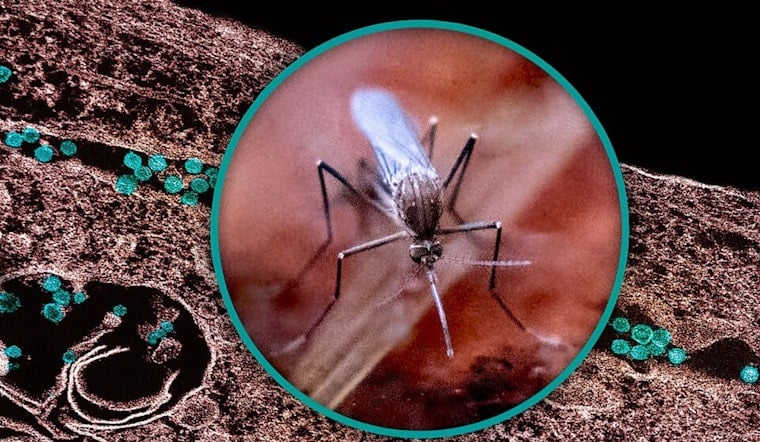
In recent findings that raise alarms over public health, Utah State University researchers have documented an unsettling spread of disease-carrying mosquitoes, one species, in particular, proving to be a highly effective carrier of the West Nile virus (WNV). According to USU Today, since its detection in Utah back in August 2003, cases of WNV in humans have been on a persistent rise.
A team led by USU ecologist Norah Saarman has turned the spotlight on the southern house mosquito, Culex quinquefasciatus (quinx), and its hybrids resulting from interbreeding with the northern house mosquito, Culex pipiens. Having spread across the mid-latitudes of North America, "Both of these species spread West Nile Virus, but Quinx, which is newer to Utah, is better at it," Saarman told USU Today. The evidence indicates that hybrids, potentially equipped with disease-carrying genes from Quinx, are moving ahead of the pure species into new regions, acting like outposts for the pathogen.
The team, including USU researchers and external colleagues, utilized AI and DNA technology to improve the identification and monitoring of these species. The study pinpoints climate and land use changes as key factors propelling this migration. Saarman explained, mosquitoes are drawn to urbanized habitats, storm drains, watered lawns, and homes with pets, being prime examples providing a conducive environment for their proliferation.
Raising the stakes in this environmental challenge, the Centers for Disease Control have reported more than 47 serious illnesses and three fatalities in Utah due to WNV in 2025 alone. Norah Saarman, emphasizing the significance of underreporting, has stated, "It’s well known that West Nile Virus is highly underreported, with only 1 in more than 112 infections detected in case counts," as obtained by USU Today. This suggests the actual number of infections in Utah for 2025 could vastly exceed official figures.





