

























































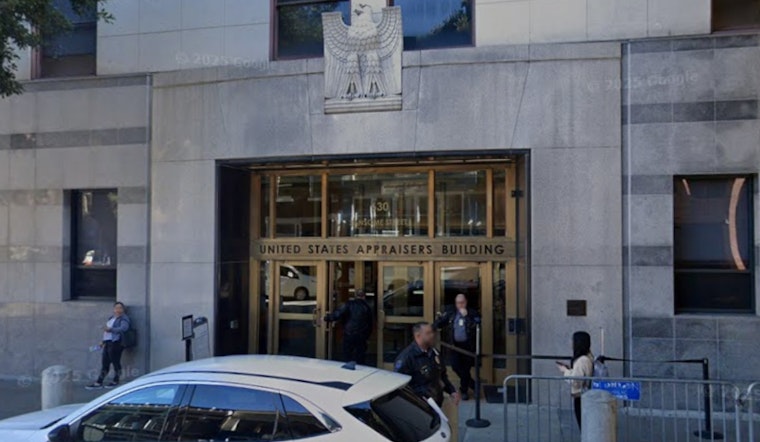
A federal judge has ordered immediate changes to the conditions of the ICE holding cells at the agency's San Francisco field office on 630 Sansome St. The ruling, which stems from a lawsuit filed by the ACLU and other immigrants' rights groups, found the conditions to be "unconstitutionally punitive in nature," as reported by the Mission Local. Judge P. Casey Pitts' decision will require ICE to provide detainees with mattresses, blankets, hygiene materials, prompt medical attention, and other necessities.
The court maintained ICE’s legal authority to keep immigrants in holding cells for up to 72 hours, a stark increase from the previous 12-hour benchmark. This decision, according to Mission Local, is justified because the preliminary injunction would sufficiently improve the conditions to meet constitutional standards. Marissa Hatton, a senior staff attorney at Lawyers’ Committee for Civil Rights, said, "This decision is a powerful affirmation of their humanity and a critical check on the rule of law."
Issues at the ICE facility included detainees being held in crowded and freezing conditions without beds, blankets, soap, or clean clothes, and with lights on throughout the night, factors found in violation of constitutional rights by U.S. District Judge P. Casey Pitts. "The government makes no effort to explain why depriving detainees held at 630 Sansome of sleep, basic hygiene, and medical care furthers its interest in enforcing the immigration laws," Pitts criticized, as per a report by the San Francisco Chronicle.
The lawsuit further challenged ICE’s practice of arresting migrants at immigration courthouses, a tactic that deviates from the practices of past administrations. The ruling also certifies the lawsuit as a class action, paving the way for others detained at the location to seek damages. Commenting on the conditions, Neil Sawhney, an ACLU attorney, told the San Francisco Chronicle, "Forcing people to sleep on concrete floors and denying them access to medical care isn’t just inhumane, it’s unconstitutional." Another hearing is scheduled for December 9th, which will review the legality of ICE's practice of courthouse arrests.



