

























































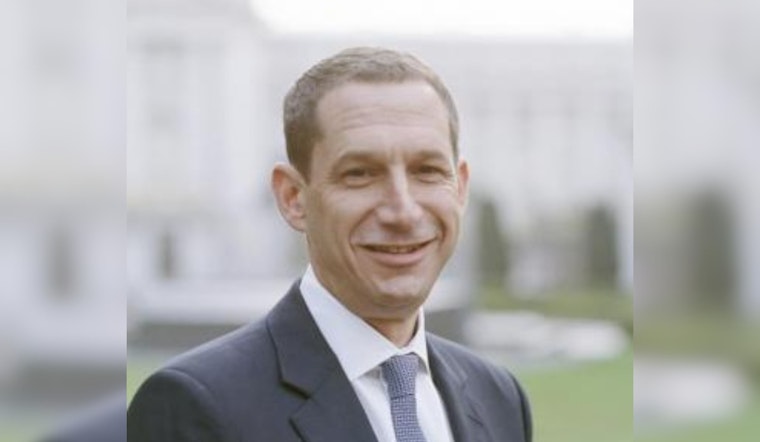
In response to the intensifying drug crisis in San Francisco, Mayor Daniel Lurie has announced the implementation of a 'treatment or jail' program set to begin in the spring of next year. This program centers around a new sobering center, directed by law enforcement, to address public intoxication and drug use. According to KRON4, Mayor Lurie has made it clear that the city will no longer tolerate drug use in public areas, offering those arrested the choice of treatment or incarceration.
There are concerns among some community members, however, about the effectiveness and compassion of such an approach. Adrian, a resident of a city sober living home, expressed concerns about the potential for the sobering center to serve as a mere short-term fix rather than a pathway to long-term recovery. Similarly, Julie Archer, founder and director of Potentials Unlimited Sober Living Environment, highlighted the complex layers of addiction, noting to KRON4 that a stay of merely six hours at a sober house could be insufficient for those battling addiction.
San Francisco Sheriff Paul Miyamoto, whose department will be overseeing the new sobering center, stated in an interview with ABC7 News that the facility is designed for those visibly under the influence on the streets. The center will initially have the capacity to accommodate 16 to 25 people, who can stay for up to 23 hours. Miyamoto emphasized the option for treatment at the point of arrest, presenting those apprehended with the choice to seek help instead of facing charges.
Despite this initiative, questions remain about the transition from short-term assistance to sustained recovery. Following a stay at the sobering center, individuals will be directed to long-term treatment, with no charges pressed for their detention. However, as Adrian pointed out, maintaining long-term recovery poses significant challenges, especially for the unhoused population, who may not have a stable address for follow-up support. As Archer conveyed in her discussions with KRON4, true recovery necessitates an internal desire for change, which cannot be compelled by force.
Cedric Akbar, forensics director for Positive Directions Equals Changes, showed support for the city's proactive stance, telling ABC7 News that an aggressive approach is warranted given the lax attitudes in the past. Akbar believes enforcing consequences for illegal activities, such as drug use and selling on the streets, is necessary for accountability.



