

























































State lottery proceeds are dropping a serious chunk of change on Southern Colorado this month, with more than $7.6 million in grant funding headed to park upgrades, land acquisitions, and forest-health work across the region. The money will underwrite everything from long-planned park facelifts to a marquee land deal in the San Luis Valley and trail and wildlife projects around Pikes Peak. It is the regional slice of a larger grant package that topped $25 million statewide, and local officials and land trusts say it finally gives them the cash to move long-discussed projects from paper to reality.
Lottery-funded pool and GOCO's role
The Great Outdoors Colorado board signed off on $25,586,783 in grants at its December meeting, using revenue from the Colorado Lottery to back conservation and recreation efforts around the state, according to Great Outdoors Colorado. GOCO reports that the money was awarded through a competitive application process and will support a spectrum of projects, from neighborhood park overhauls to major land transactions. Wrapped into that total is a bundle of nearly two dozen local awards that together make up Southern Colorado's share.
Southern Colorado winners and totals
Southern Colorado will receive roughly $7.6 million in this round, covering projects that range from new playgrounds to watershed restoration, as reported by Colorado Public Radio. Among the headline items is $2.5 million for the Pikes Peak Outdoor Recreation Alliance to extend and realign the 63-mile loop trail around Pikes Peak while supporting wildlife and camping upgrades in El Paso, Fremont, and Teller counties. The regional package also includes funding for conservation service corps work and transaction-cost assistance grants that help local land trusts close deals that might otherwise stall.
Towns getting park upgrades
Across the region, small towns landed sizable community impact grants to overhaul their public parks. Cole Park in Alamosa secured $659,600 for an accessible playground and related improvements. Burlington's Parmer Park is in line for $749,968 to add new play and recreation features. The Town of Silver Cliff will receive $647,475 for its own round of park upgrades, according to Great Outdoors Colorado. GOCO's project write-ups stress ADA accessibility and community input in shaping the designs. Several of these park efforts are expected to be under construction or breaking ground in 2026.
La Jara Basin and larger land deals
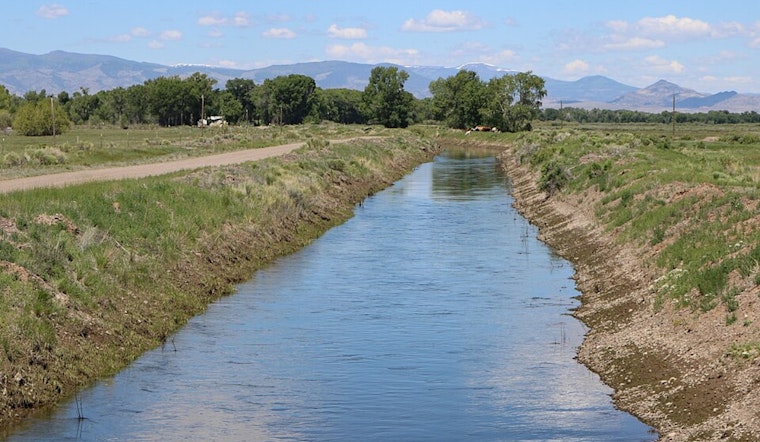
The La Jara Basin project in the San Luis Valley is one of the more eye-catching efforts in the mix. GOCO awarded $1,070,000 to the Western Rivers Conservancy to help permanently protect the 45,952-acre property and its more than 30 miles of perennial streams, according to the conservancy's project page. Western Rivers Conservancy highlights the basin's importance for wildlife habitat, irrigation, and long-standing cultural use by Indigenous peoples. The La Jara transaction has been working its way through the State Land Board and has drawn both federal and state funding in what The Colorado Sun describes as a complex sale process.
Regional partnerships and corps work
Regional partnerships also picked up planning and implementation grants that organizers say will knit together recreation, stewardship, and resilience work across county lines. That includes a $2.5 million award to PPORA for the Pikes Peak corridor, according to Colorado Public Radio. Through the Conservation Service Corps program, local corps crews will be hired for efforts such as noxious-weed mitigation in Manitou Springs and riparian restoration along the Purgatoire River, giving young workers paid experience while boosting on-the-ground stewardship. CPR also reports that a $2 million GOCO loan was approved for a Colorado West Land Trust project, with more details expected later.
What comes next for communities
Local leaders say the grants will finally unlock projects that have been sitting in planning binders for years, spanning everything from playground makeovers to landscape-scale conservation that supports agriculture, wildlife, and public access. Timelines differ, but many partners are aiming to have construction or fieldwork underway in 2026 once contracts are signed and permits secured. In the meantime, city and county governments, nonprofits, and land trusts are shifting from visioning to implementation, relying on lottery-derived funding to close financial gaps in rural budgets and cover the often-overlooked transactional costs of getting big conservation and recreation projects over the finish line.



