

























































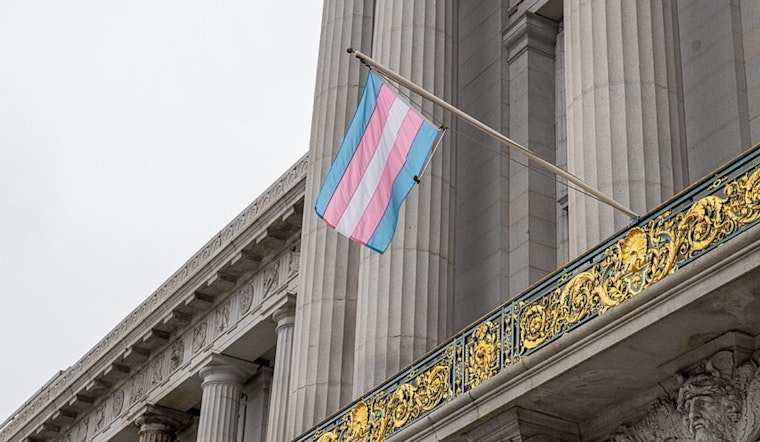
San Francisco’s Board of Supervisors has signed off on a $50,000 payout to end the second of two lawsuits targeting the city’s now-lapsed Guaranteed Income for Trans People (GIFT) pilot program. The unanimous vote, taken yesterday, also includes non-monetary conditions and comes in the form of an ordinance, which means it will require a second and final approval next week before the settlement is officially in place. City officials cast the move as a way to stop the legal bleed while keeping options open for future income pilots.
Ordinance On The Board Agenda
The settlement is listed on the Board’s official docket as File No. 251044, which spells out the case and the $50,000 payment amount, according to the Board of Supervisors. The item appears as a consent ordinance on first reading and, under city procedure, must return for a final passage vote. The agenda entry names the plaintiffs’ case and briefly outlines both the cash payment and the non-monetary terms tied to the deal.
How The Board Voted And Program Background
The Bay Area Reporter noted that supervisors voted 11–0 to approve the agreement, which covers $50,000 in payments plus additional terms that do not involve money. The outlet also traced the short but controversial life of the GIFT pilot. Mayor London Breed rolled out the program in November 2022, and it provided about $1,200 a month to 55 eligible transgender San Franciscans for up to 18 months before payments stopped in September 2024. The same report points out that the original lawsuit also flagged other targeted efforts, including the Abundant Birth Project and the Black Economic Equity Movement.
What The Plaintiffs Alleged
The lawsuit covered by this ordinance was brought in May 2023 in state court by the Californians for Equal Rights Foundation and individual plaintiffs. Their complaint followed several guaranteed-income pilots, arguing that the programs relied on unlawful racial and gender classifications and therefore violated equal-protection guarantees in both the U.S. and California constitutions, as well as Title VI of the Civil Rights Act, according to the Californians for Equal Rights Foundation. The filing initially named additional government agencies and programs, but those targets were narrowed as the case moved through the courts.
Why City Attorneys Recommended Settling
City lawyers told supervisors they saw little upside in dragging out a courtroom fight over pilots that have largely run their course. “We believe this narrow settlement is an appropriate resolution given the inherent costs of continued litigation,” Jen Kwart, spokesperson for the city attorney’s office, said in a statement to the Bay Area Reporter. The office also emphasized that participants in GIFT and the Abundant Birth Project received the payments they had been promised prior to the resolution of the legal challenges.
Legal Implications
This is not the first time San Francisco has had to clean up its act in court over targeted income programs. A separate challenge from Judicial Watch was settled last year, with that earlier agreement involving a relatively small fee payment and language that restricted continuation of the specific eligibility rules at issue, according to Judicial Watch. The dollar figures in these settlements are modest by city budget standards, but legal observers have noted that repeated lawsuits and negotiated settlements can gradually narrow the focus of public-benefit pilots in the future. In this latest case, the ordinance flagged non-monetary provisions in the settlement, but those conditions were not fully detailed in the materials posted for the public.
What Happens Next
Because the agreement is structured as an ordinance, it will be reviewed by the Board for a second and final vote before taking effect, according to the Board of Supervisors. If supervisors approve it again, the city’s case file referenced in the agenda item will be marked resolved, and the litigation will close out without additional court hearings.





