

























































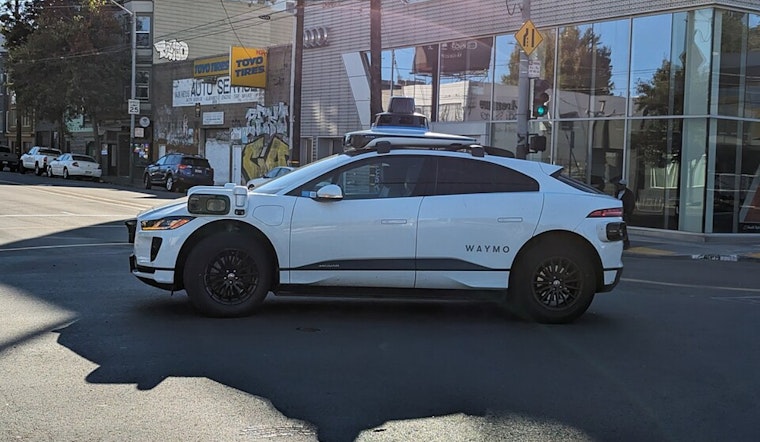
Following a blackout in San Francisco, Waymo's autonomous vehicles became noteworthy contributors to the city's widespread traffic disruption, the company explained in a statement obtained by the San Francisco Chronicle. The explanation, detailed in a subsequent TechCrunch report, highlighted a concentration of "confirmation check" requests from the automated fleet during the outage, which led to vehicles getting stuck at nonfunctioning traffic signals.
Determined to mitigate such occurrences in the future, Waymo has announced immediate updates to its software. These enhancements will provide vehicles with a more substantial understanding of regional power failures, aiming to facilitate a more resolved approach at intersections during blackouts. Despite the traffic standstill last Saturday, Waymo's statement via TechCrunch revealed that its vehicles "successfully traversed more than 7,000 dark signals on Saturday," yet the emergency prompted the company to suspend operations and reroute vehicles back to their depots momentarily.
The extent of the blackout, fueled by a fire at a PG&E substation, was singular enough to strain Waymo's algorithms, which traditionally interpret dead lights as four-way stops. During the gridlock, the deployment of police officers to direct traffic at key intersections underscored the interruptions caused by the driverless cars. In light of these events, Mayor Daniel Lurie informed that he had reached out directly to Waymo, urging a swift response to clear the roads, a request to which they complied, albeit with a lack of clarity on the necessity for more prompt actions in the future.
Note that the widespread effects of the outage have not only committed Waymo to immediate software developments but have also led Waymo to revisit their emergency preparedness strategies — expanding coordination efforts with city officials. "We are focused on rapidly integrating the lessons learned from this event, and are committed to earning and maintaining the trust of the communities we serve every day," a Waymo spokesperson revealed to the San Francisco Chronicle. Moreover, more than 25,000 first responders have received training to interact effectively with self-driving vehicles.
San Francisco supervisors are calling for a review of the incident, and the California regulator has stated that it is examining the behavior of robotaxis during the outage. Waymo insists that their vehicle software is now advancing towards a more judicious maneuverability in the face of large-scale power disruptions, intending to alleviate the sort of vehicular stagnation that gridlocked San Francisco over the weekend.




