

























































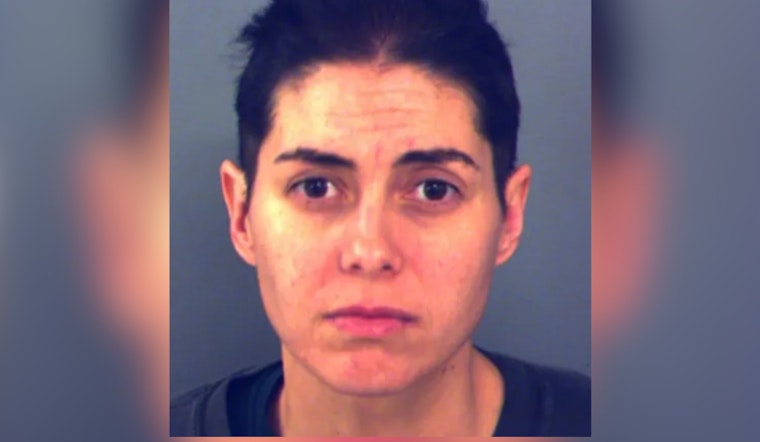
Public meetings, designed to be orderly assemblies for civic engagement, can sometimes take a turn towards the unpredictable, as shown in a recent Public Service Board meeting in El Paso. An individual, later identified as Natasha Cristina Acevedo, was arrested after causing a disturbance at the said meeting when she was informed that the room had reached capacity and was asked to move to an overflow area. The reports from the El Paso Police Department detail the incident, indicating that Acevedo's disruption stemmed from her making repeated allegations about water contamination and businesses selling contaminated products.
This disruption escalated as Acevedo refused to comply with the staff and law enforcement directives, raising her voice and interrupting the meeting proceedings, a refusal that prompted her removal from the room. Acevedo's persistent yelling, even whilst being escorted out, brought the meeting to a halt, as her claims about water safety echoed through the chambers. Following her removal, Acevedo faced charges; the El Paso Police Department clarified that she was arrested for "Disrupting Meeting or Procession and Resisting Arrest Search or Transport."
The nature of Acevedo's claims and the response by the authorities raise questions about public policy meetings' accessibility and the allowable range for civil discourse within them. While the serious nature of the allegations regarding the water supply cannot be overlooked, the manner of her protest led to legal repercussions instead of a platform for discussion. Such instances underscore the delicate balance between maintaining order in public meetings and allowing space for citizens to voice their concerns, no matter how passionately they are felt.





