

























































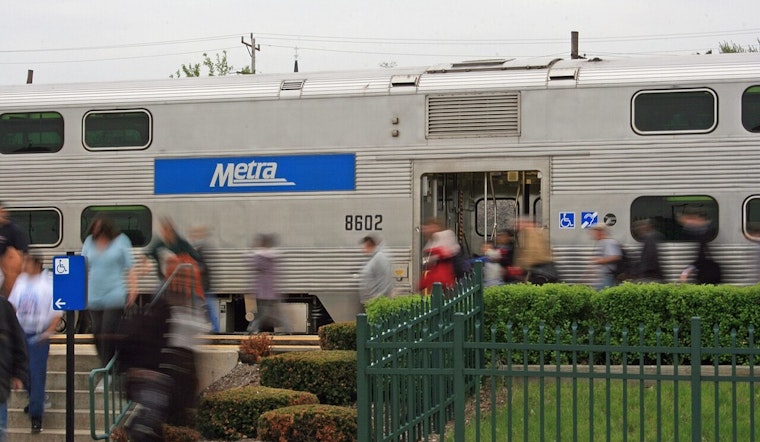
Commuters scrambling to get home were met with significant delays and overcrowding at Chicago's Union Station following a series of disruptions on the BNSF, Heritage Corridor, and Southwest Service lines. According to NBC Chicago, Metra issued an apology after the second straight day of rush hour train issues led to heavy congestion within the station amid bitterly cold temperatures.
Problems first arose on Wednesday afternoon when a train scheduled to depart at 4 p.m. was halted near Halsted Street due to switch problems. Both inbound and outbound trains on the BNSF line were subsequently delayed, initially by up to 20 minutes and then later extending to 45-minute delays because of a switch failure. An update provided by Metra around 6:41 p.m. indicated that the trains had resumed movement but warned of continued delays. In light of these challenges, Metra has begun to work collaboratively with Amtrak to review the cause and response to these disruptions.
Photos and videos taken at Union Station showed the extent of the crowds, prompting Metra to share their apology via their X account for the BNSF line, acknowledging the inconvenience and discomfort caused by the delays and overcrowding. The transport agency is no stranger to coping with extreme weather, occasionally resorting to a technique involving fire to prevent ice accumulation on switches.
Adding to the week's transportation woes, an Amtrak derailment over the weekend had already resulted in two tracks being taken out of service, as WGN-TV reports. Wednesday's switch failure compounded the issue, and Amtrak officials have indicated that the switch would not be fixed in time to avoid impacting Thursday morning's commutes. They advised customers to plan to allow extra time, particularly on the affected BNSF, Heritage Corridor and Southwest Service lines.
With the recent incidents raising questions about infrastructure reliability and response plans, commuters are likely hoping for a swift resolution. The problems of the last few days serve as a reminder of the critical role commuter trains play in the daily life of a city and the cascading effects that can occur when part of that system falters.



-6.JPG)