

























































New Orleans’ booming THC drink scene is bracing for a serious hangover as local makers warn a quiet move in Congress could rip hemp-derived beverages off shelves by next fall. Crescent Canna, the Uptown company behind Crescent 9, says it directly employs nearly two dozen locals and moved roughly 10 million cans across 21 states last year. Store owners and small brands say the proposed rule change would wipe out a fast-growing product category that has turned into a reliable revenue stream for neighborhood shops.
What Congress changed and when it kicks in
The controversial tweak slipped into the federal spending package that ended last year’s government shutdown and quietly rewrote the legal definition of “hemp.” Instead of measuring just delta-9 THC, the rule would tally total THC and cap all tetrahydrocannabinols at about 0.4 milligrams per consumer package, with enforcement scheduled to begin in mid-November 2026, as reported by Axios. Trade publications note that the updated language would also cover cannabinoids synthesized or converted from CBD, which would effectively outlaw many current drinks, gummies and vapes, according to NutraIngredients. Lawmakers built in a one-year implementation window, giving companies and advocates a narrow chance to press for changes.
New Orleans shelves and neighborhood shops would be hit
Across New Orleans, from Mid-City smoke shops to conventional grocery aisles, THC drinks have quietly become star performers. Manager Collin Avarard told WDSU, “They are by far our biggest skew, by far our biggest money maker for all of our stores," and the station notes that chains such as Rouses, Zuppardo's, Lakeview Grocery and Total Wine also stock the products. Even local craft players are in the mix: Urban South Brewery has rolled out hemp-derived drinks, a sign of just how deeply the category has seeped into the metro market.
Industry pushback and a bid to buy time in Congress
Business groups and farmers have been descending on Capitol Hill with a blunt warning: rewrite this rule or watch a whole slice of the hemp economy evaporate. A bipartisan bill introduced in January, the Hemp Planting Predictability Act (H.R. 7024), would push the federal changes back by two years, an effort detailed by Forbes. Agriculture and farm outlets report that trade organizations such as the U.S. Hemp Roundtable estimate that 90 to 95 percent of current ingestible hemp products would become illegal under the new cap, a scenario that would hit farmers, processors and corner retailers alike, as covered by Brownfield Ag News.
State politics and local lawmakers
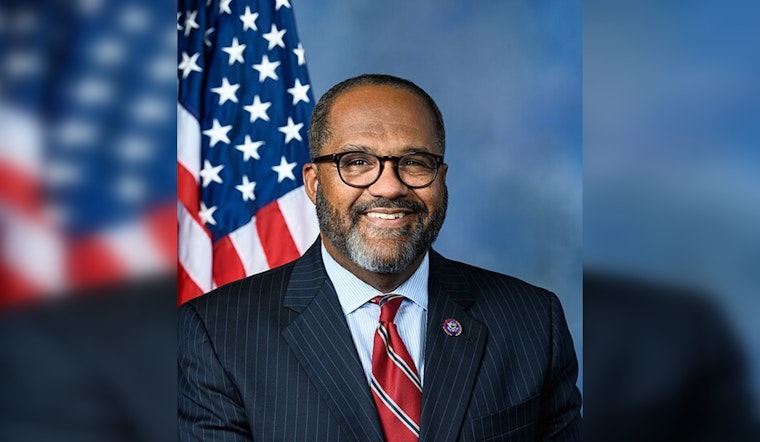
The political fight in Louisiana is far from settled. State Sen. Thomas Pressly led a 2024 push to ban THC products that ultimately failed, and he told WDSU he does not anticipate a fresh state crackdown this year. On the federal side, U.S. Rep. Troy Carter has urged Congress to undo the new hemp language and has argued that states can regulate the products in ways that protect consumers while also preserving jobs. Local owners say they are now leaning hard on Louisiana’s delegation and using the one-year window to try to avoid an abrupt market crash.
What’s next for shops and drinkmakers
The one-year implementation period gives businesses and lawmakers a brief opening to hammer out a replacement regulatory framework, but producers say decisions about 2026 planting and production are already getting complicated. Trade coverage notes that regulators including the FDA and USDA will have to spell out which cannabinoids qualify as naturally occurring and how a container is defined during the transition, a process outlined by NutraIngredients. For many small brands, those technical details will dictate whether their drinks can be reformulated to survive or must disappear from shelves completely.
Whether Crescent Canna and other neighborhood operators make it through the shake-up may depend on how Congress, regulators or the courts handle the new rules, or on whether a more workable federal framework replaces what critics describe as a near blanket cap. Until then, New Orleans shop owners are watching the lobbying blitz and legislative maneuvering closely as they try to plan around a very uncertain November 2026 deadline.





