

























































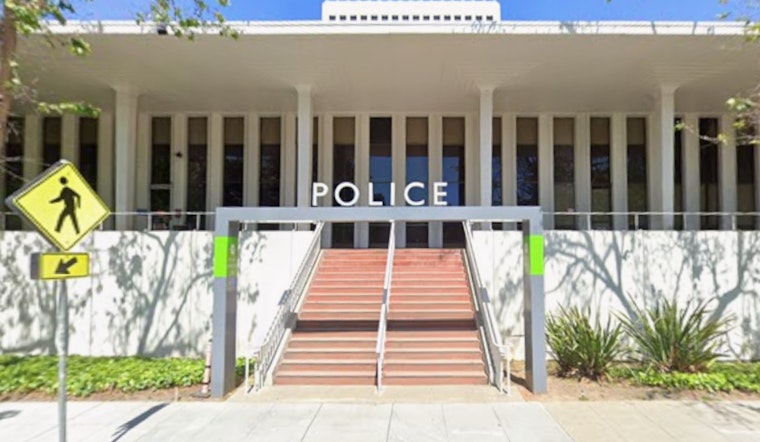
Palo Alto police have poured millions of dollars into overtime over the past two years as they ramped up patrols to confront organized retail theft downtown and at Stanford Shopping Center. Extra details and undercover shifts have gone from occasional tool to standing assignment as officers zero in on retail corridors hit by repeat thefts. City leaders say reimbursement deals and long-term staffing decisions will determine whether this strategy keeps squeezing other parts of the public safety budget.
City figures show overtime paid to officers climbed from about $1.1 million in 2024 to roughly $1.8 million in 2025, with the department logging more than $2.1 million in overtime overall. That surge pushed the overtime account hundreds of thousands of dollars beyond what was budgeted, landing about $769,000 over its allocation in 2025 and roughly $131,000 over in 2024, officials said. Overtime hours can vary greatly throughout the year, James Reifschneider told reporters, as reported by Palo Alto Online.
How the state grant reshaped patrols
In 2023 the city secured nearly $5.18 million through a state Organized Retail Theft grant, money specifically set aside for extra patrols, undercover operations and vehicle-tagging technology in busy shopping areas. The City of Palo Alto says the grant was structured to cover several years of deployments and equipment purchases aimed at discouraging repeat offenders and recovering stolen goods. The City of Palo Alto announced the award in 2023.
Budget math: reimbursements, vacancies and the bottom line
The city’s adopted overtime budget for fiscal 2026 is set at about $1,173,110, and salary savings from unfilled positions have left the Police Department running roughly $1 million under budget so far. Those vacancies have eased day-to-day payroll pressure even as on-duty officers log more hours to cover retail theft details, according to the Palo Alto budget report.
Officials say the state grant fully reimburses overtime tied to the ORT detail, eliminating roughly one third of the department’s overtime tab, or about $700,000 so far, while smaller reimbursements from Stanford University and other local partners have chipped away at the remainder. With those offsets, the department was pegging its net overtime cost at about $364,000 by the midpoint of the fiscal year, officials told Palo Alto Online.
Where this fits in statewide efforts
The governor’s office has spotlighted the Organized Retail Theft program as part of a broader effort to bankroll local suppression teams, pointing to increased arrests and expanded vertical prosecutions in cities that received funding. State officials say the grant program was built to give departments short-term muscle to go after organized theft rings while prosecutors assemble cases, according to the Governor's Office.
For Palo Alto the open question is whether the overtime spike is a one-time hit, softened for now by grants and vacancy savings, or a recurring cost that will force deeper staffing changes. Council members, retailers and residents will be watching upcoming budget cycles to see whether the city leans into hiring to bring overtime down or keeps relying on grant-funded deployments as its long-term play.





