

























































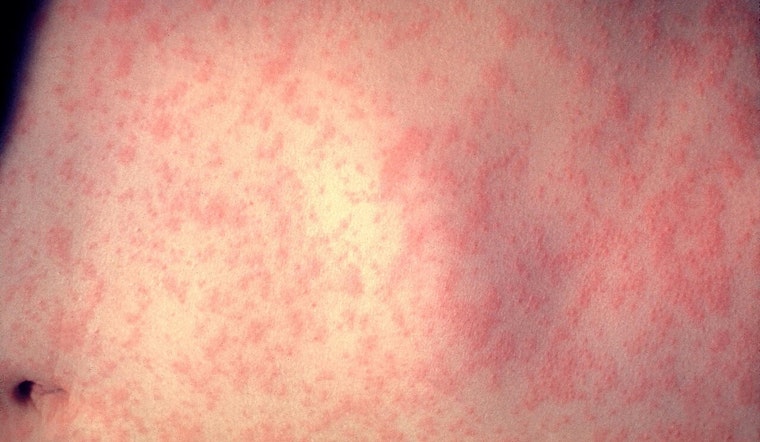
Measles is making an unwelcome comeback in Minnesota, with state health officials confirming that cases have doubled in a week to 10 confirmed or probable infections so far in 2026. The cluster is centered in the Twin Cities and involves both unvaccinated infants and young adults, triggering fresh outreach by local public health teams. Families are being urged to review vaccination records and call their health care provider if they think they may have been exposed.
State tally and cluster details
The Minnesota Department of Health measles dashboard lists a total of 10 confirmed or probable cases under investigation in 2026, with the latest update posted on Feb. 26, 2026. Coverage from CBS Minnesota notes that the total climbed from five cases reported on Feb. 19 and that several of the new infections are connected within a Twin Cities social network.
Where this fits nationally
Minnesota is not alone. The CDC reported 982 confirmed measles cases across the United States as of Feb. 19, 2026, reflecting a broader surge happening in multiple states. Roughly 94% of recent cases nationwide have occurred in people who were unvaccinated or whose vaccination status is unknown, according to Good Morning America's summary of CDC data.
Why Minnesota is vulnerable
Public health experts have been warning that Minnesota's vaccination armor has some cracks. Childhood vaccination coverage in the state has declined in recent years, with fewer than 87% of children fully vaccinated on schedule last year, leaving immunity gaps that officials say make outbreaks more likely, according to reporting from the Star Tribune.
The problem is even more pronounced in parts of the Twin Cities. The Associated Press reports that MMR vaccination among Somali 2-year-olds in Minnesota has fallen from about 92% in 2006 to roughly 24% today, a drop that health workers say leaves young children especially at risk.
What public health is doing
State and local health teams say they are now tracing exposure sites, interviewing patients and close contacts, and setting up vaccination clinics where needed to keep the outbreak from spreading further. The Minnesota Public Health Laboratory - one of four Vaccine Preventable Disease Reference Centers - is helping with testing and genotyping to track cases and support the response, according to the lab's newsroom.
How to protect yourself and your family
Health authorities continue to recommend the standard two-dose MMR schedule: the first dose at 12 to 15 months old and the second at 4 to 6 years old, according to the CDC. Adults who are not sure whether they are protected are advised to check their vaccination records or talk with a clinician about getting a dose.
Anyone who develops a fever and rash, or who believes they were exposed to measles, should call a clinic before showing up in person so staff can take precautions and avoid exposing other patients.



