

























































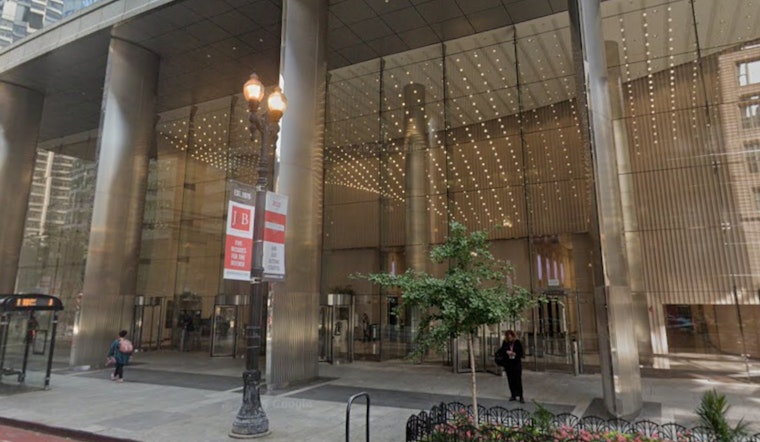
A familiar name in distressed real estate is circling one of the Loop’s biggest problem children: the 37-story tower at 131 S. Dearborn that once carried Citadel’s name on the front door. The prospective buyer, best known for scooping up troubled malls and battered office buildings, is working toward a deal that would put a major chunk of downtown Chicago’s office stock in the hands of a high-risk, high-reward investor. For now, though, the agreement is still tentative and the sale has not closed.
Great Neck, N.Y.-based Kohan Retail Investment Group has a contract to buy the roughly 1.55 million-square-foot property, according to CoStar. CoStar reports the deal would mark Kohan’s third Chicago office acquisition in less than a year and that the current ownership group includes a joint venture of TPG Angelo Gordon and Hines. The outlet also noted that the price has not been disclosed and the transaction could still unravel during due diligence.
Heavy Debt And A Big Vacancy Headache
The tower is weighed down by a sizable loan from a 2020 refinancing, a burden that analysts say makes a full-price sale highly unlikely. Earlier reporting pegged the mortgage at about $448 million, and marketing materials showed roughly half the building sitting unleased, according to The Real Deal. That combination of hefty debt and empty floors turns any acquisition into a long-game wager on time, leasing and creative repositioning.
Brokers who took the tower to market leaned hard on its selling points: naming rights for a major tenant and large blocks of contiguous space that could appeal to a future anchor. Even so, filling that much space in a choppy office market is no small feat.
How Citadel’s Exit Blew A Hole In The Tower
The building’s troubles accelerated when Citadel began shrinking its Chicago footprint and shifting employees toward a Florida base, leaving big chunks of space for others to chase, Bloomberg reported. Citadel has since moved much of its local operation into a far smaller office at 353 N. Clark, a change that helped create the vacancy wave behind the current marketing push.
Short-term leases have plugged a few gaps, but not nearly enough to solve the long-term problem. The tower still faces a major leasing challenge in a downtown where plenty of other landlords are also dangling incentives.
Buyer Playbook And Local Track Record
Kohan has spent the past year quietly building a Chicago portfolio of discounted office assets, acquiring troubled towers and distressed debt as part of a strategy to stockpile properties that can be retenant or repositioned, according to reporting. Those moves have sparked debate among local brokers about what the endgame might look like here: a full re-tenanting play, some kind of partial conversion, or a mix of both.
Whatever path is chosen, the next owner will be taking on a long-term leasing slog at a property that still counts as a marquee Loop address, according to CoStar.
What A Turnaround Could Mean For The Loop
The potential sale is another sign of how far downtown office values have reset, and how crucial it is for buyers to get in at a low basis if they want big lease-up or conversion plans to pencil out. Recent office trades in Chicago have closed at steep discounts to pre-pandemic pricing, Bisnow noted.
A cheaper buy-in can give a new owner room to pour money into tenant improvements, sweeten concession packages and upgrade amenities. Still, re-leasing more than a million square feet is likely to be a slow, capital-intensive grind. For nearby retailers and office workers, the pace of that turnaround — whether a relatively quick re-tenanting or a drawn-out repositioning effort — will directly affect downtown foot traffic and the feel of the Loop in the months ahead.
The reported agreement was first highlighted by Crain's Chicago Business, and market participants caution that the deal still needs lender sign-offs and final terms before it is official. Marketing for the sellers was handled by Eastdil Secured, according to offering materials, and the sellers, prospective buyer and lenders did not immediately comment. If it does close, the transaction would stand as a notable — and risky — vote of confidence in the Loop’s recovery.




