

























































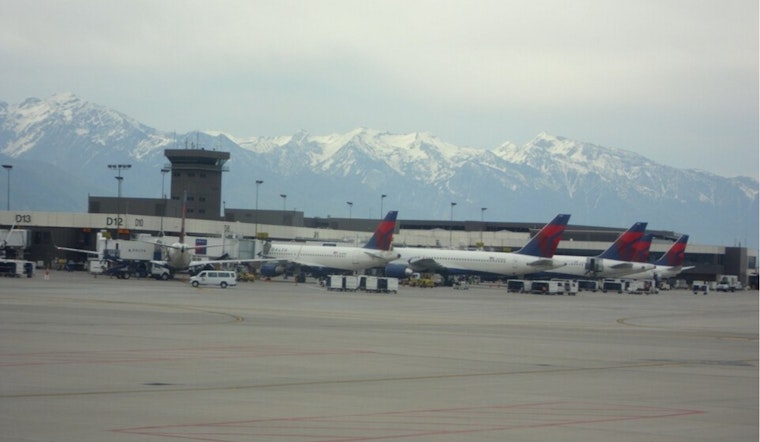
Marta Brizeyda Renderos Leiva, a Salt Lake City mother of four, has been deported to El Salvador after months in federal custody that included multiple transfers through detention facilities in several states. Her attorneys say she held a work authorization approved in 2024 and had been trying to reopen a 2020 removal order she insists she never received notice of. Video of her October arrest at the Salt Lake City International Airport, widely circulated in Utah, put a harsh spotlight on how immigration arrests play out in public spaces.
Arrest Caught On Video
Surveillance and bystander video from October shows plain-clothed Homeland Security and Border Patrol agents closing in on Renderos Leiva near the baggage claim area, then escorting her out of the pre-security lobby. The footage quickly made the rounds among residents and city officials, who questioned both the tactics and the location. Salt Lake City Mayor Erin Mendenhall said the operation was not coordinated with city police and described what she saw as troubling, according to KSL.
Months Of Transfers And Tough Conditions
After that airport arrest, attorneys and Renderos Leiva say she was cycled through a series of facilities: first a processing site in West Valley City, then the Salt Lake County Metro Jail, a Tooele jail, and brief stays in Texas and Arizona before she landed in a Louisiana detention center that she described as the harshest of them all. She reported crowded dorms, damp blankets and medical concerns that went unanswered. She also said detainees were shackled at the hands, waist and feet during transfers and on the flight that ultimately returned her to El Salvador, according to KUTV. The outlet noted that ICE did not provide a timeline when asked for one.
Attorney: Work Permit And Missing Notices
Renderos Leiva's legal team says she had a valid employment authorization document issued in 2024 at the same time a February 2020 in-absentia removal order was sitting in her file. According to her attorney, she never received notice of that hearing because the government allegedly mailed it to an address where she had never lived. The lawyers have filed a motion to reopen, arguing that mailing mistakes kept her from appearing in immigration court. They emphasize that she has no significant criminal record and that her four U.S.-born children are now trying to cope with her sudden removal, as reported by FOX13.
Legal Fight Still Alive On Paper
Even as she was moved out of the country, her attorneys continued pushing to reopen the case, and local outlets followed the court filings and advocacy around the challenge, including an earlier Hoodline recap of the lawyers' efforts. Federal immigration rules add a procedural twist that has become central to the family's frustration. A motion to reopen does not automatically halt a removal order. Under regulations at 8 CFR 1003.2, a separate stay is usually required from an immigration authority or a court. Advocates say that the gap between paperwork and enforcement is exactly where people like Renderos Leiva fall through.
Airports Under The Microscope
The Salt Lake arrest is not happening in a vacuum. National coverage has tied it to a wider pattern of enforcement that plays out in airport terminals, where people are already stressed and distracted. Documents and interviews have shown that the TSA and ICE have, at times, used passenger data to flag travelers who have final removal orders on the books, triggering arrests in other cities as well. The New York Times has detailed that data sharing and the role of a Pacific Enforcement Response Center that tips local units to particular flights, a system critics say can turn a boarding pass into a fast track to a deportation flight. Advocates argue that this approach chills travel and can easily ensnare people who never got proper notice or legal help, especially in cases where mailing or record errors are alleged.
What Comes Next For The Family
From El Salvador, Renderos Leiva told reporters the experience has been "very painful" and said she had hoped to be back in Utah in time to watch her children graduate in May. Her attorneys say their appeals and motions remain pending even though the government has already carried out the removal, according to KUTV. Local groups are working to organize legal and community support, and city officials say they are continuing to press federal partners for clarity about how and why the airport operation unfolded the way it did. For now, the case has neighbors, advocates and the family asking whether the lines between immigration benefits, court notices and enforcement are anywhere near clear enough to prevent the next family from facing the same outcome.





